
BMW E36 M3(diecast 1:18, Solido)
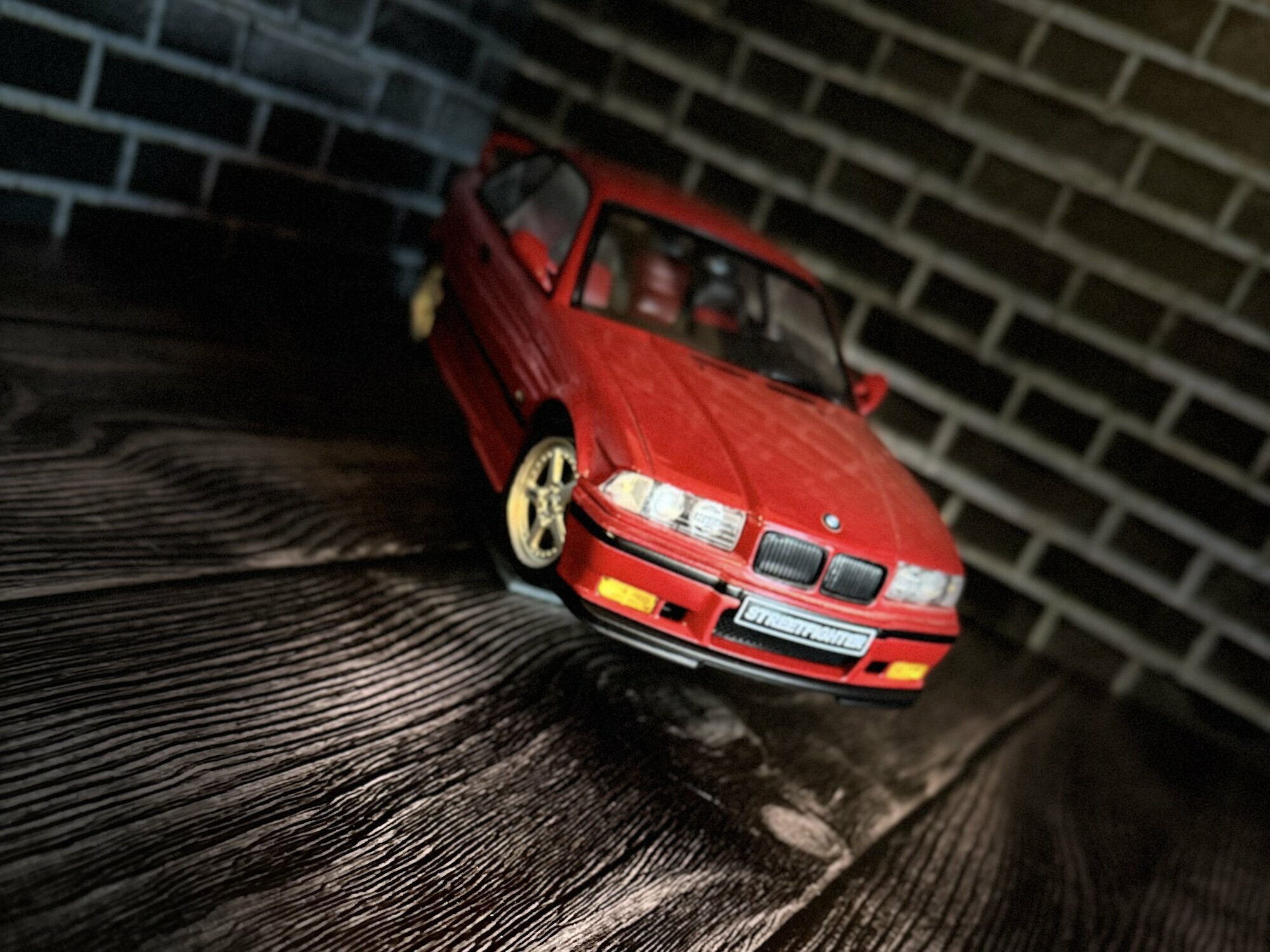
- BMW E36 M3 (from 1993)
- Solido
- 1:18
- Showcase model / No engine
- diecast
- Imolarot
- Perfect mint condition
- Original packaging exists
- Not for sale
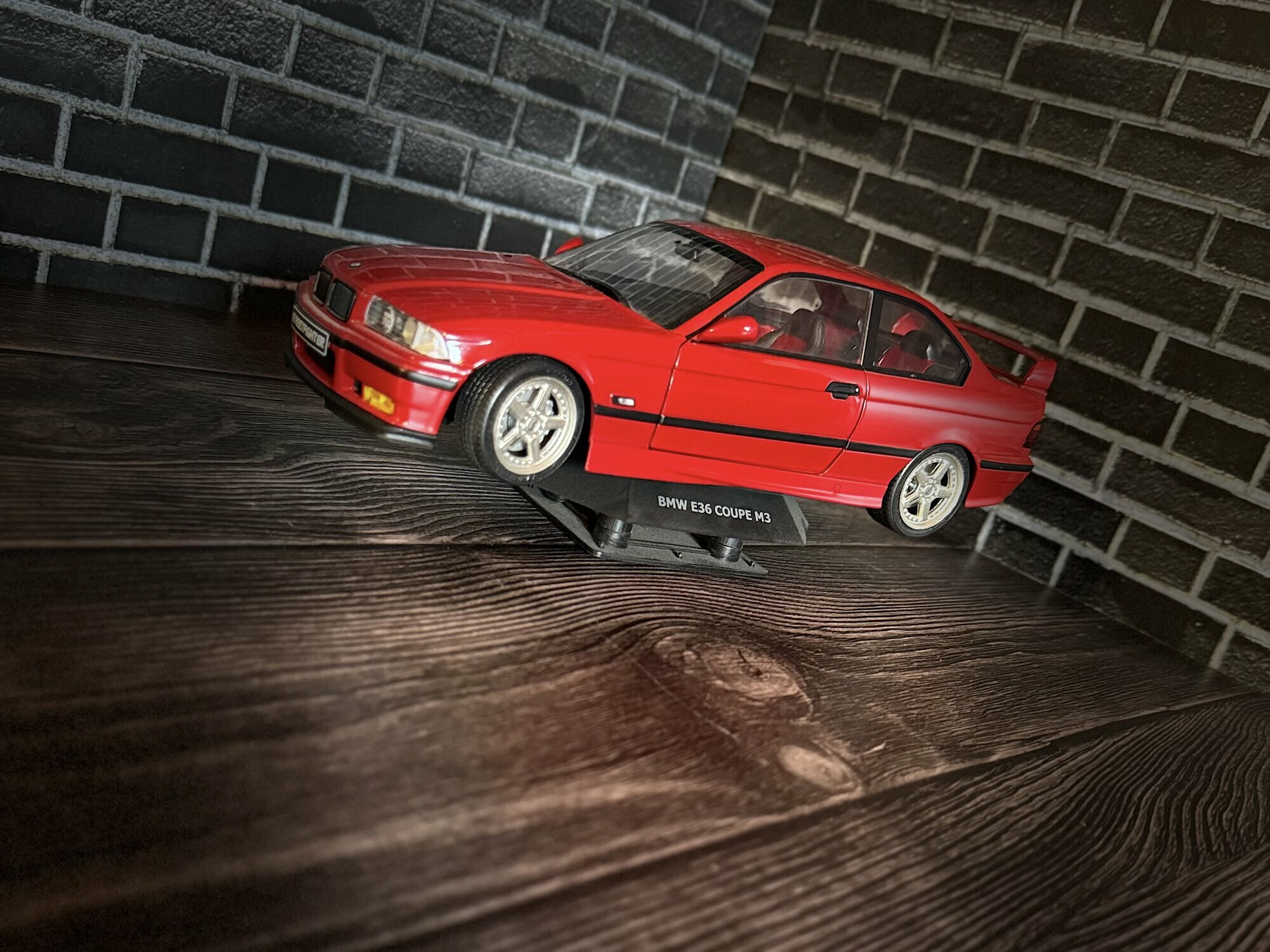
Historical context of the original: BMW M3 E36
The model shown is the BMW M3 E36, meaning the second generation of BMW’s sporty 3 Series M car. The generation is called the E36 and was built from 1992 onward; the coupe was produced until 1999. The predecessor was the BMW M3 E30, which laid the groundwork for the M3’s motorsport reputation. The E36’s design was largely driven by BMW designers Pinky Lai and Boyke Boyer. Compared with the E30, the BMW M3 E36 went for a more aerodynamic body, integrated bumpers and a new multi‑link rear axle. To give you a sense of the time: the Maastricht Treaty was signed and the Barcelona Olympics happened in the same era, and Bill Clinton won the U.S. presidential election in 1992 — stuff that helps place when the BMW M3 E36 hit the market.
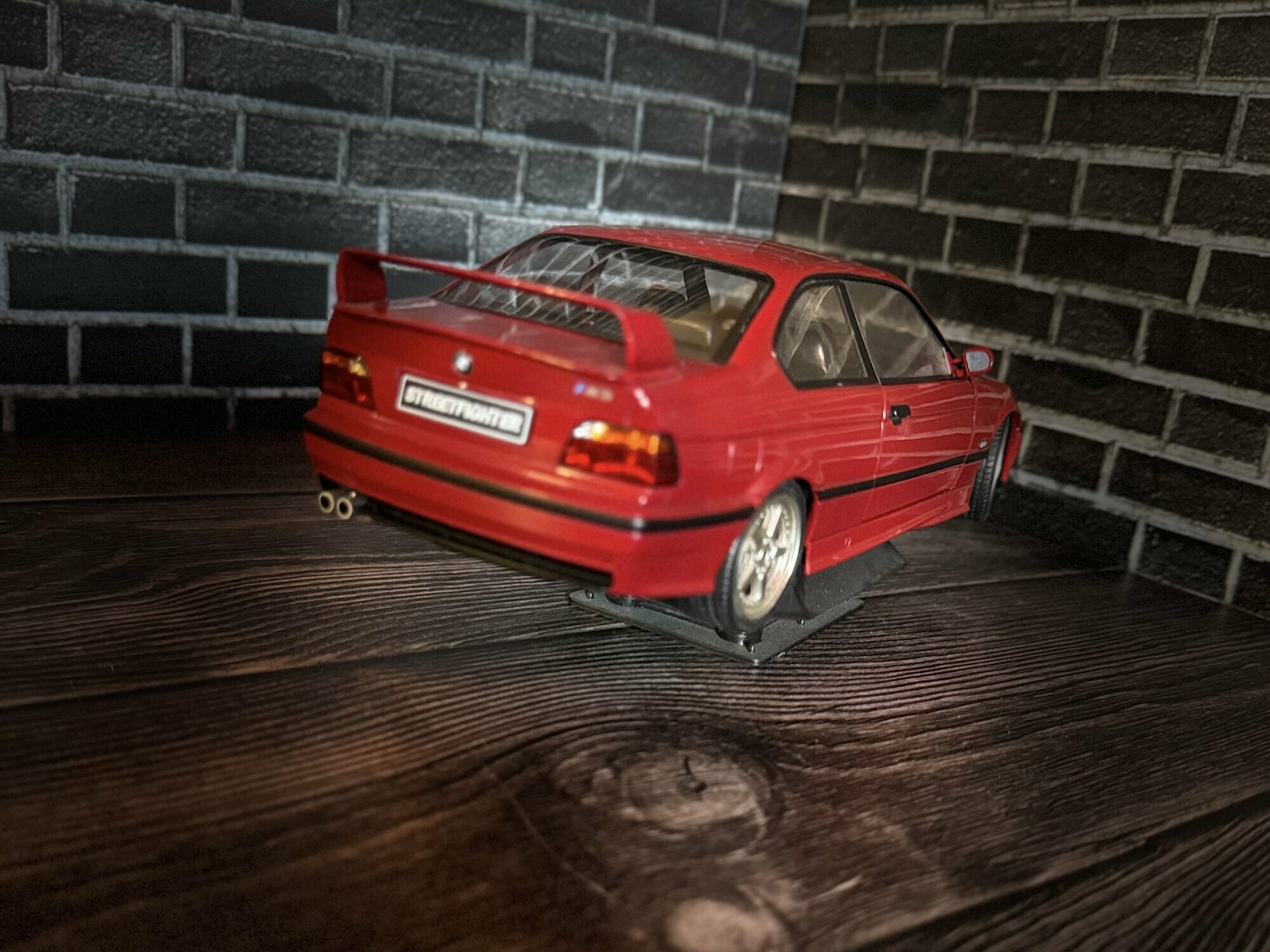
Technical specs and highlights of the original
The BMW M3 E36 launched with the inline‑six S50B30 with 2,990 cm³ (182.5 cu in) displacement, 210 kW (286 PS / ~282 hp) and 320 Nm (236.8 lb‑ft) of torque. Later versions — often called the “Evolution” models — used the S50B32 with 3,201 cm³ (195.3 cu in), 236 kW (321 PS / ~316.5 hp) and 350 Nm (258.1 lb‑ft). Early cars had a 5‑speed manual and later ones a 6‑speed; some markets got a 5‑speed automatic. 0–100 km/h (0–62 mph) times were roughly 5.5–6.0 s depending on the version, and top speed was electronically limited to 250 km/h (155 mph). The BMW M3 E36 used front MacPherson struts and a multi‑link rear axle (the so‑called Z‑axis). Big ventilated discs all around and an optional limited‑slip diff (typical ~25%) helped handling. Depending on year you could get traction aids like ASC+T. The model came as coupe, sedan and convertible, plus special versions like the US “Lightweight.” Visual cues are M‑specific bumpers, side skirts, aero mirrors and subtle M badges. The E36 is notable as the era of high‑revving naturally aspirated M engines before later M cars moved more toward forced induction.
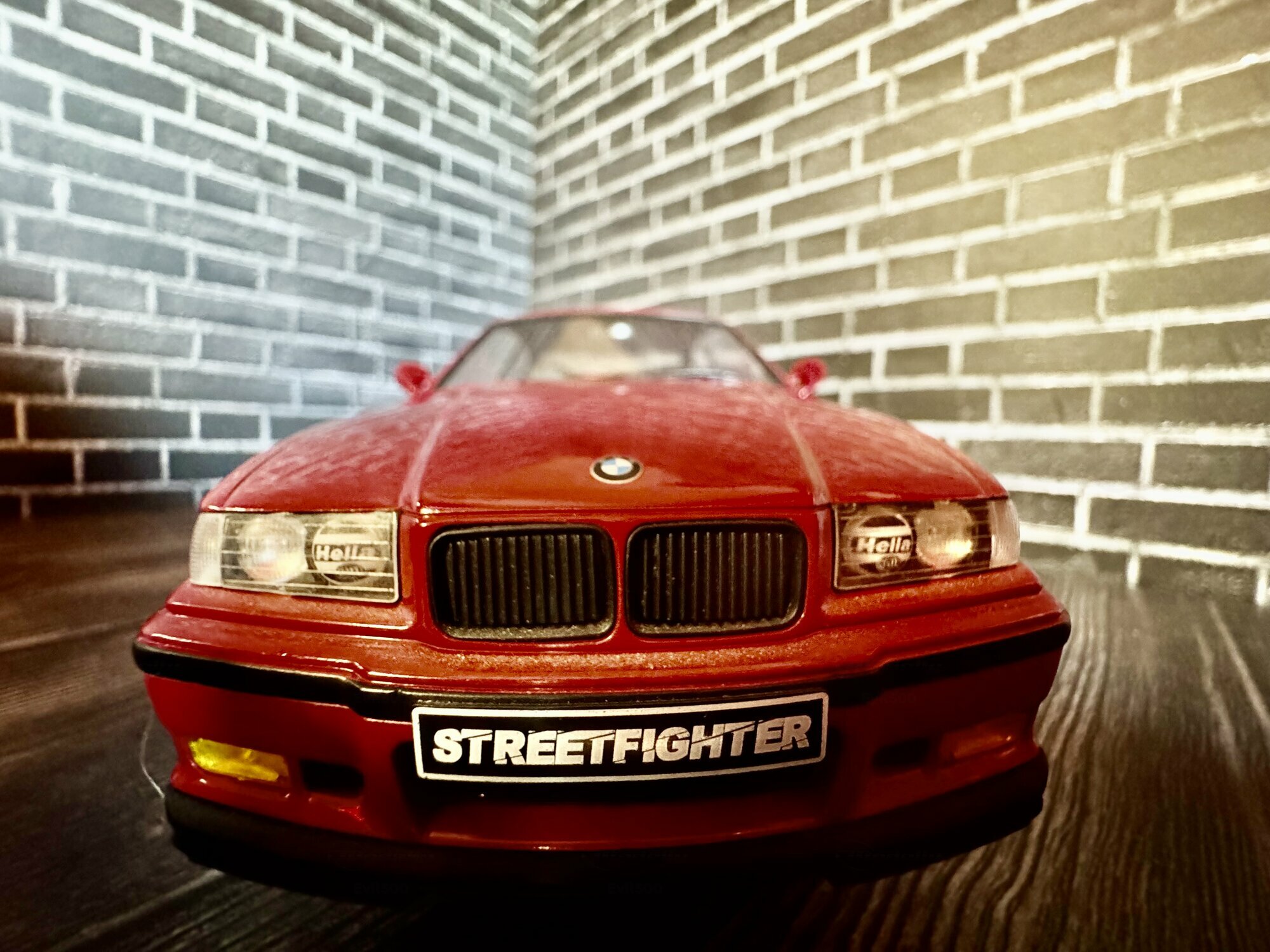
The miniature in Evil500’s collection
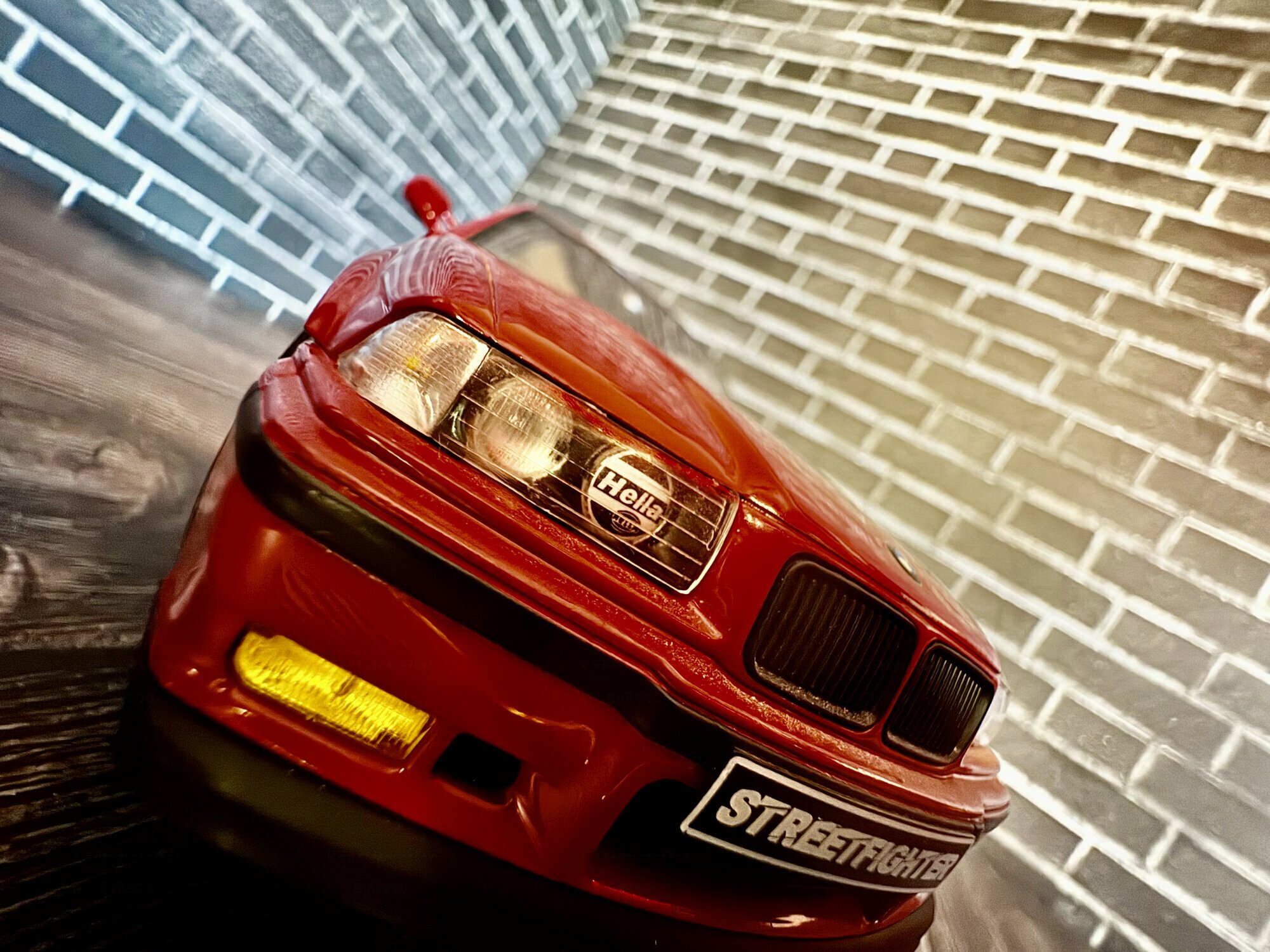
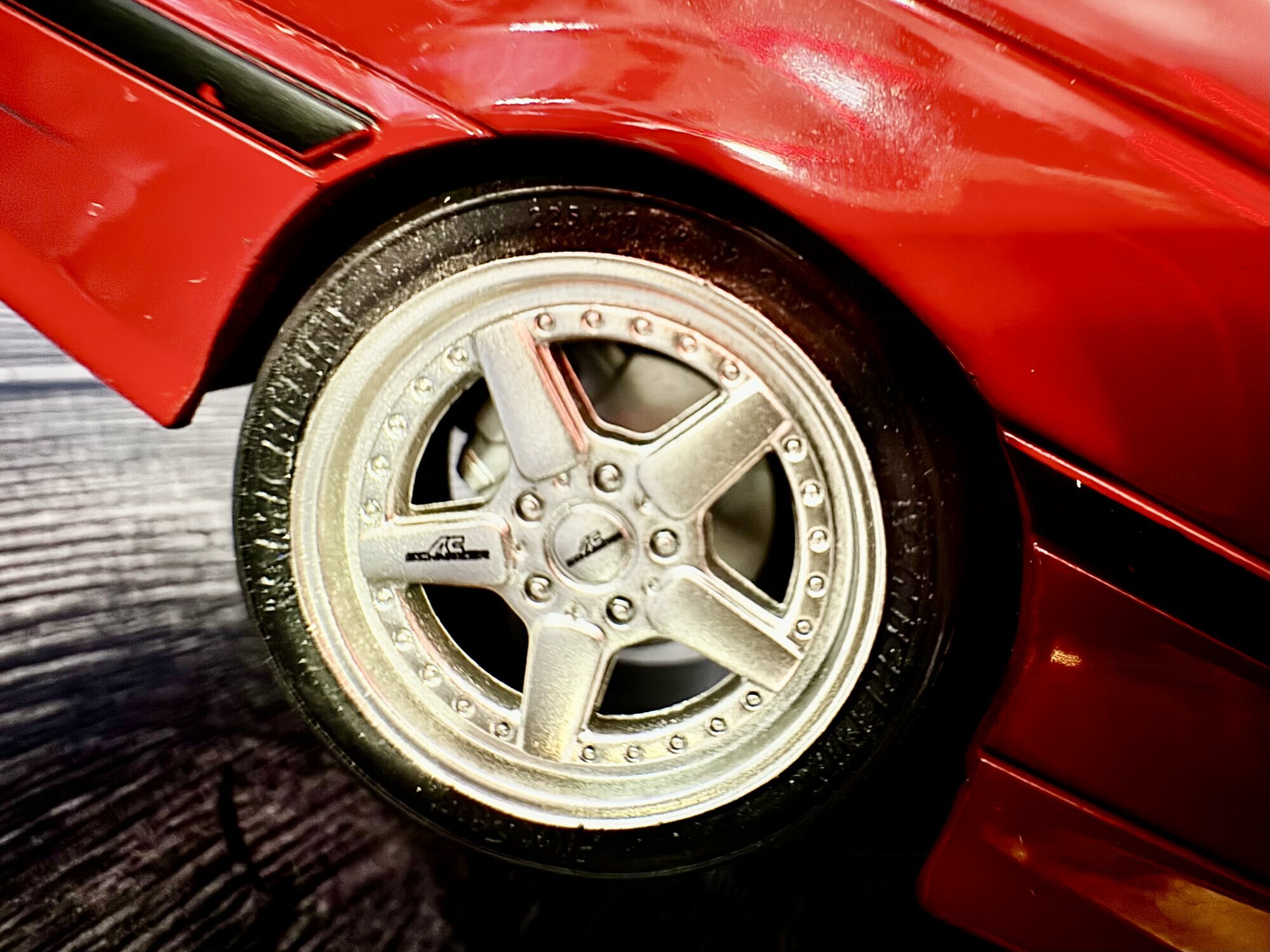
This miniature shown belongs to Modelly member “Evil500” and is a model car in scale 1/18, made by Solido. It’s a diecast model, so it’s zinc‑die cast — that’s why it feels solid and has a nice heft. The photos show a coupe in red paint, pretty close to BMW reds like “light red.” Up front you can see the M‑style air intakes and the slightly recessed kidney grilles; the indicators and fog lights are done in yellowish transparent plastic. The plate suggests a street‑fighter vibe, but the basic shape is clearly the BMW M3 E36. Notable are the gold five‑spoke deep‑dish wheels with low‑profile tires and a slightly lowered stance. From the rear there’s a pronounced spoiler, the twin exhaust outlets on the left and the “M3” badge on the trunk. Tail lights are multi‑segmented with red and orange sections. The interior is dark but you can make out sport seats and door panels. Proportions are right: long hood, short overhangs and the steeply raked rear window of the coupe. Details like hood creases, door and bumper gaps, and red mirror housings are nicely captured. This 1/18 Solido model is a solid pick for a display or diorama.
Collector’s take, variants and notes about the casting
For collectors the BMW M3 E36 is interesting because it sits between old‑school, analogue driving feel and newer safety/assist tech. The miniature reflects that era well: clear window line, trim strips and the subtle trunk lip are all there. The red paint is even and not overly thick on edges like the fender lips or spoiler. Emblems front and rear and the M‑stripes are cleanly printed. Headlights have hinted reflectors behind them; the side markers are the small squarish type as on the real car. You can even spot the brake setup with silver calipers and discs through the wheels. As a diecast model it’s rugged — you get that satisfying weight and the usual crisp edges on doors and hoods. Depending on the Solido release, these models sometimes have steerable front wheels and opening doors; regardless, the E36 shape reads well. If you want to study different evolutions of the real car, compare the coupe to the sedan and convertible or other makers’ versions. To place it in time culturally: when the E36 appeared Nirvana’s “Smells Like Teen Spirit” was everywhere and Microsoft billed Windows 3.1 — little references that help date the era of the BMW M3 E36. Overall, the Solido 1/18 piece shown is a straightforward, faithful representation of the original — a nice fit for Evil500’s BMW‑M display.
- Write a first comment about this model now!Any comment can be discussed by all members. It's like a chat.Mention other Modelly members by using @ in your message. They will then be informed automatically.
- Write a first comment about this model now!Any comment can be discussed by all members. It's like a chat.Mention other Modelly members by using @ in your message. They will then be informed automatically.