
Lamborghini Huracan LB Performance(1:18, MR Models)

- Lamborghini Huracan LB Performance (from 2016)
- MR Models
- 1:18
- Showcase model / No engine
- resin
- Bianco Monocerud
- Not specified
- Not specified
- Not for sale
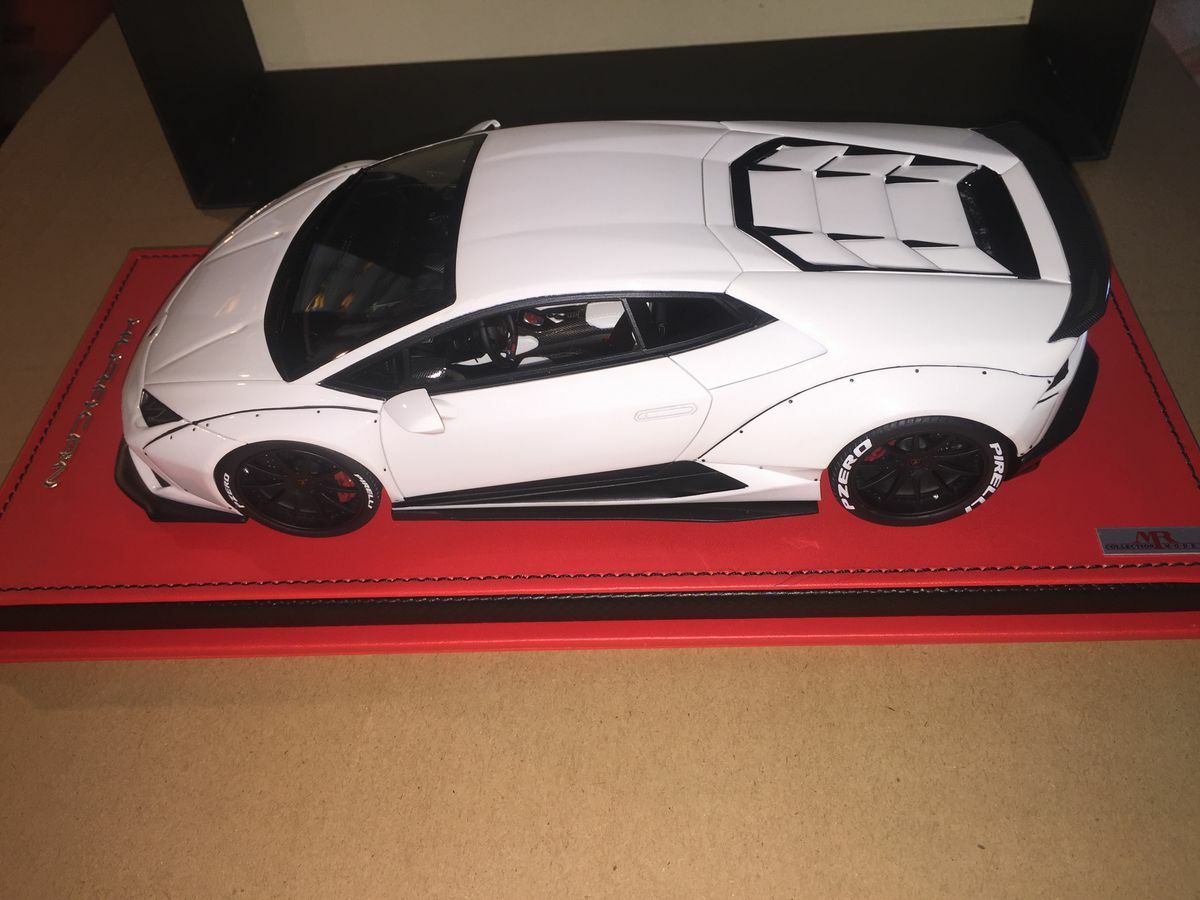
Model: Technical base and where the Lamborghini Huracán fits
This miniature is based on the Lamborghini Huracán, the successor to the Gallardo in Lamborghini’s supercar line. The Lamborghini Huracán is part of the first generation and has been built since 2014; the model family ran in many versions up to 2024. Its predecessor was the Lamborghini Gallardo, which dominated the brand for about a decade. The Lamborghini Huracán uses an aluminum chassis with carbon‑fiber elements and a naturally aspirated V10 engine with 5.2 liters (1.37 gallons) displacement. In the early LP610‑4 configuration it produces 449 kW (610 PS, ~602 hp) and 560 Nm (413 lb‑ft), paired with the 7‑speed dual‑clutch gearbox LDF. All‑wheel drive with a Haldex coupling, electric power steering and optional magneto‑rheological dampers are key features. Top speed is around 325 km/h (about 202 mph), and the 0–100 km/h sprint is roughly 3.2 seconds (0–62 mph). Exterior design was led by Filippo Perini as design chief, and technical development was overseen at board level by Maurizio Reggiani. Typical Lamborghini Huracán cues are the Y‑shaped light signature, the flat headlights, the wedge silhouette and the mid‑mounted V10 under a slatted or glass cover. That clear design language makes it a great base for body mods like the ones shown on this example.
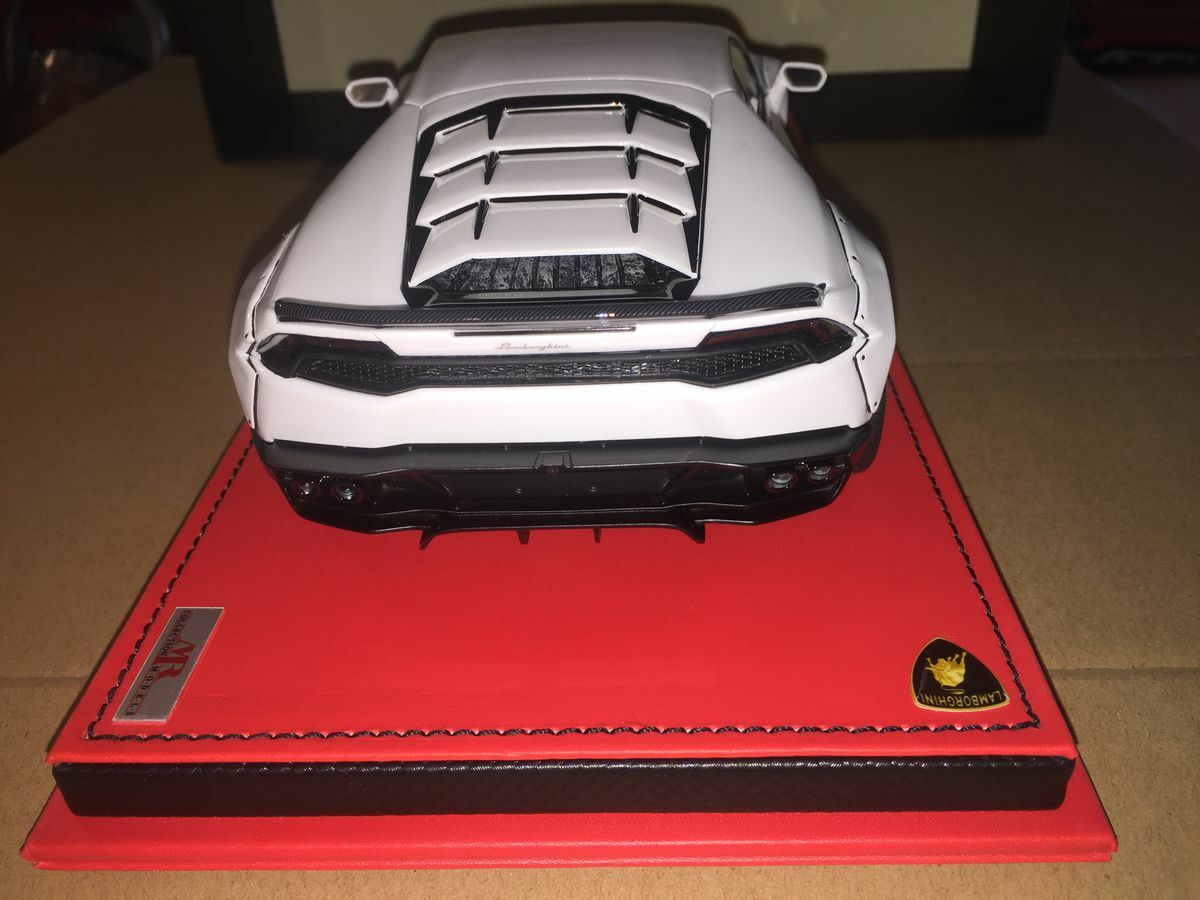
Modification: LB‑Works/Liberty‑Walk take on the Huracán
The real car this model copies is wearing a widebody kit from LB Performance, the tuning arm of the Japanese firm Liberty Walk. Liberty Walk was founded in 1993 in Aichi/Nagoya by Wataru Kato and is known for bolt‑on styling with visible rivets. The LB‑Works kit for the Lamborghini Huracán usually includes bolt‑on widened fenders, an aggressive front splitter, side skirts, a rear diffuser and often a high rear wing. On the pictured car there doesn’t seem to be a tall wing; that keeps the Huracán’s lines readable while the widened arches and a lower front end visually beef up the track width. Those kits mostly change looks and aero; the Huracán’s drivetrain is usually untouched — so the naturally aspirated V10, the LDF dual‑clutch and the AWD or RWD layout (depending on the base model) stay as they are. Owners often add sport suspension and sticky tires; from the factory Huracáns commonly run Pirelli P Zero rubber, which matches the P Zero stenciling you can spot on this model. For collectors, LB Performance’s bold approach turns the Huracán into a motorsport‑inspired showpiece while keeping the core shape intact.
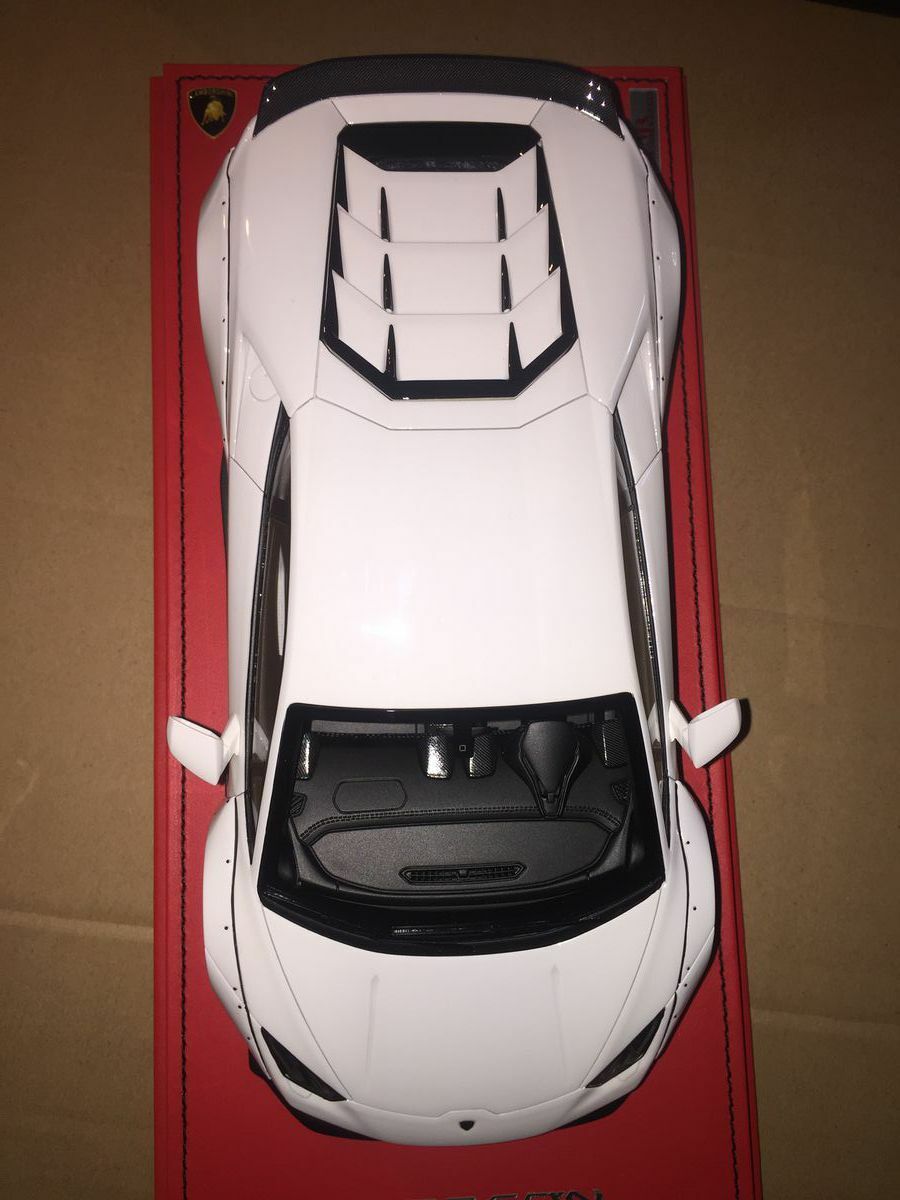
The actual model: 1/18 resin by MR Models with clear LB‑Works details
The pictured miniature is a scale model at 1/18 and was produced by MR Models. It’s made from resin, which is common for high‑detail small runs — resin gives sharp edges and thin body parts, but doors and hoods usually don’t open, and that’s likely the case here. The paint is a neutral white — think Lamborghini “Bianco” — with contrasting black bits: front splitter, side skirts, diffuser and trim in matte or semi‑gloss. You can clearly see the wide, rivet‑style fender extensions — a hallmark of the LB‑Works kit. The front reproduces the sharp headlights with the Y signature, and hood and bumper seams are nicely engraved. From above you can make out the typical slatted engine‑cover for the mid‑mounted motor. At the rear, the slim taillights, the pronounced diffuser and the exhaust outlets are well done. The tire sidewalls show the white Pirelli “P Zero” lettering; the wheels are black, and no specific wheel brand is visible on the model. Inside there’s a sporty, stripped cockpit with bucket seats and a roll‑bar feel, which suits a track‑style conversion. Finish quality shows clean gaps, crisp aero part edges and even paint. The model sits on a red base with black edging and visible stitching, and the “Huracán” script plus a small Lamborghini badge are applied — both are sharp in the photos and make it easy to ID the model as a Lamborghini Huracán.
For collectors: where this fits, display tips and maker notes
For the model‑car crowd it’s important that this is a 1/18 resin piece from MR Models. The maker is known for small resin runs focusing on Italian supercars. This release does a good job of capturing the LB Performance look — the wide fenders with faux rivets, bold aero parts and lowered stance come through nicely. The white body with black aero pieces gives strong contrast, which helps the Huracán’s lines and the widebody add‑ons pop. The display plinth with its red surface and stitched edge makes a nice presentation for a shelf or cabinet; the logos are crisply executed. If you collect by model generations, slot this into the first generation Huracán category (started in 2014). The resin choice shows that you don’t need opening parts to get excellent detail — the slatted engine cover, diffuser and other bits read clearly. For documentation or display, this is a fun complement to stock Huracáns, STOs or EVO versions, showing how an aftermarket LB‑Works conversion changes the car’s vibe while leaving the mechanical basics intact.
- Write a first comment about this model now!Any comment can be discussed by all members. It's like a chat.Mention other Modelly members by using @ in your message. They will then be informed automatically.
- Write a first comment about this model now!Any comment can be discussed by all members. It's like a chat.Mention other Modelly members by using @ in your message. They will then be informed automatically.