
Porsche 911 (930) Turbo 3,3(1:87, Herpa)
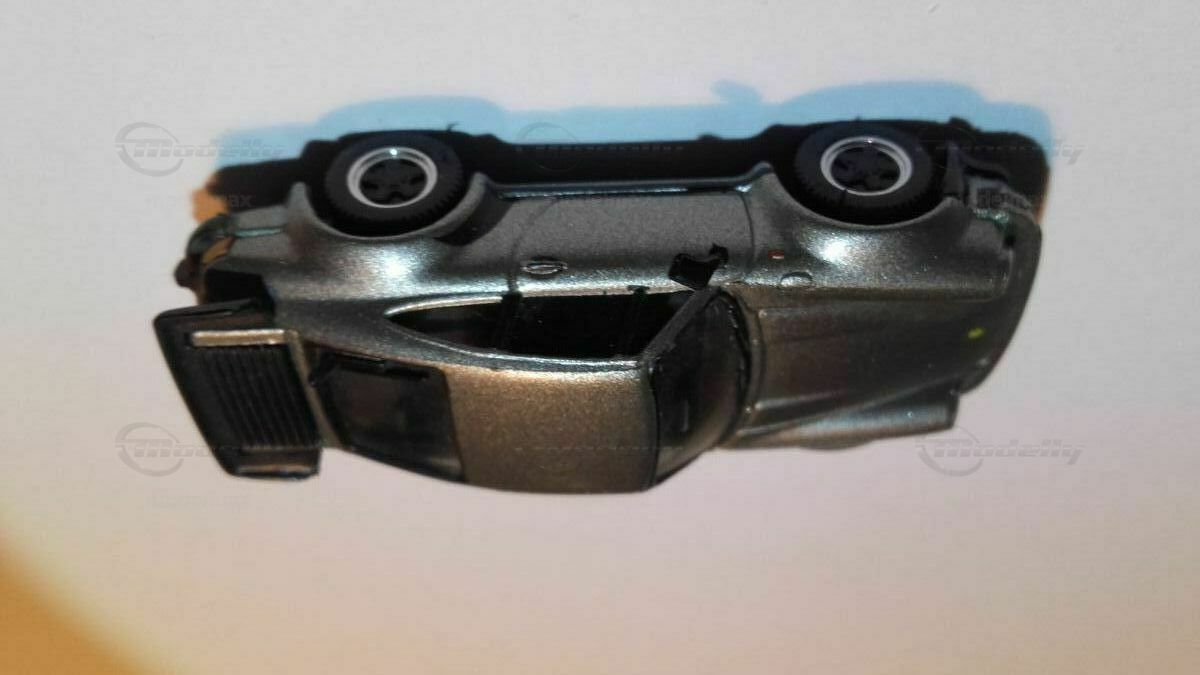
- Porsche 911 (930) Turbo 3,3 (from 1978)
- Herpa
- 1:87
- Showcase model / No engine
- plastic
- gray
- locale dealer (B H)
- 15,00 EUR
- In near mint condition
- Original packaging does not exist
- Not for sale
Icons of the turbo era: historical context of the Porsche 911 Turbo (930) 3,3
The original that this model is based on is the Porsche 911 Turbo (930) 3,3, usually just called the 930. The Turbo line started with the 930 generation in the year 1975 and stayed in the lineup until 1989. The switch to the 3,3‑liter unit happened in 1978. The Porsche 911 Turbo (930) 3,3 grew out of Porsche’s racing experience with boosted engines and borrowed a lot of tech from those programs. To place it in time: 1975 saw the end of the Vietnam War with the fall of Saigon, the Helsinki Accords were signed and Queen released “Bohemian Rhapsody” — just little markers to give you a sense of how old the car is. The example here is a 1/87 scale model made by Herpa and is part of collector “modelmax”’s collection. The Porsche 911 Turbo (930) 3,3 stands for the move toward turbocharged cars in series production and is still a major reference point in sports car development.
Tech of the real car: air‑cooled boxer, intercooler and the “tea‑tray”
The Porsche 911 Turbo (930) 3,3 used an air‑cooled six‑cylinder boxer engine with 3299 cm³ displacement (201.3 cubic inches), a KKK turbocharger and an intercooler. The European version made about 300 PS (221 kW / 296 hp) with roughly 412 N·m of torque (304 lb‑ft). Power went through a four‑speed gearbox until 1988; only in the final year did a five‑speed show up. Typical performance was around 5.4 seconds from 0–100 km/h (0–62 mph) and a top speed near 260 km/h (162 mph). The car is known for its wide fender flares, front spoiler with integrated indicators and the large rear wing — on the 3.3‑liter versions that wing is the so‑called “tea‑tray” with an upturned lip to make room for the intercooler. Big disc brakes (influenced by Porsche’s racing work like the 917), and torsion‑bar suspension were part of the package. Many cars rode on forged Fuchs wheels (the classic “Fuchsfelge”). Key people behind the model include designer Ferdinand Alexander Porsche (who shaped the 911), engine engineer Hans Mezger and board member Ernst Fuhrmann, who pushed the turbo tech from racing into the production cars. The 930 Turbo spawned several subvariants; production numbers vary by source because of different markets and versions.
The Herpa 1/87 scale miniature: details collectors care about
This specific item is a 1/87 scale plastic model by Herpa. It represents the Porsche 911 Turbo (930) 3,3 in classic form and is from the collection of modelmax. The paint is a dark metallic gray that catches the shape nicely and shows off the bulging front fenders and roofline. The glazing is tinted black all around, window pillars and rubber seals are shown in black. The big rear wing with its ribbed grille detail is a separate, neatly fitted part. The front has the round headlights molded into the body and small painted dots for the indicators and position lights. Side details like door seams, the filler cap and a mirror are suggested rather than fully detailed. The wheels mimic the typical five‑arm look of the Fuchs rims with a dark center and polished lip — in H0 scale this is a convincing nod to the originals. Given a real car length of about 4.29 meters (14.1 feet), the 1/87 scale model measures just under 49 millimeters (1.93 inches) — a common size for layout and display. The model is lightweight thanks to the plastic construction, which makes it easy to display without taking up much space.
Looks, build quality and how it fits into the collection
The dark metallic gray gives the miniature a uniform look; edges and creases stand out nicely. The front trunk lid is well defined, bumper lines are picked out with paint accents. At the rear you can spot the taillights and the slim bumper strip, and the air inlet grille in the wing is visible. The proportions capture the 911 Turbo’s silhouette: short front, sloping roof and wide rear. There’s no sign of any aftermarket tuning, so the model represents a stock car. The wheels convincingly reference the original Fuchs design from the car’s era. On the real car, the combo of a turbocharged boxer motor, intercooler and wide body gives the 930 its well‑known driving character; typical curb weights were around 1330 kilograms (2,933 pounds) and a drag coefficient around 0.38 are common reference figures. This model from Herpa adds a sports‑car classic from the late 1970s and 1980s to modelmax’s collection. There’s no obvious movie tie‑in for this particular model; its look comes from the clean shape, wide stance and signature rear wing — traits that give it a strong presence on a shelf without going overboard on tiny details.
- Write a first comment about this model now!Any comment can be discussed by all members. It's like a chat.Mention other Modelly members by using @ in your message. They will then be informed automatically.
- Write a first comment about this model now!Any comment can be discussed by all members. It's like a chat.Mention other Modelly members by using @ in your message. They will then be informed automatically.