
Chevrolet Corvette ZL1(diecast 1:18, Customized)
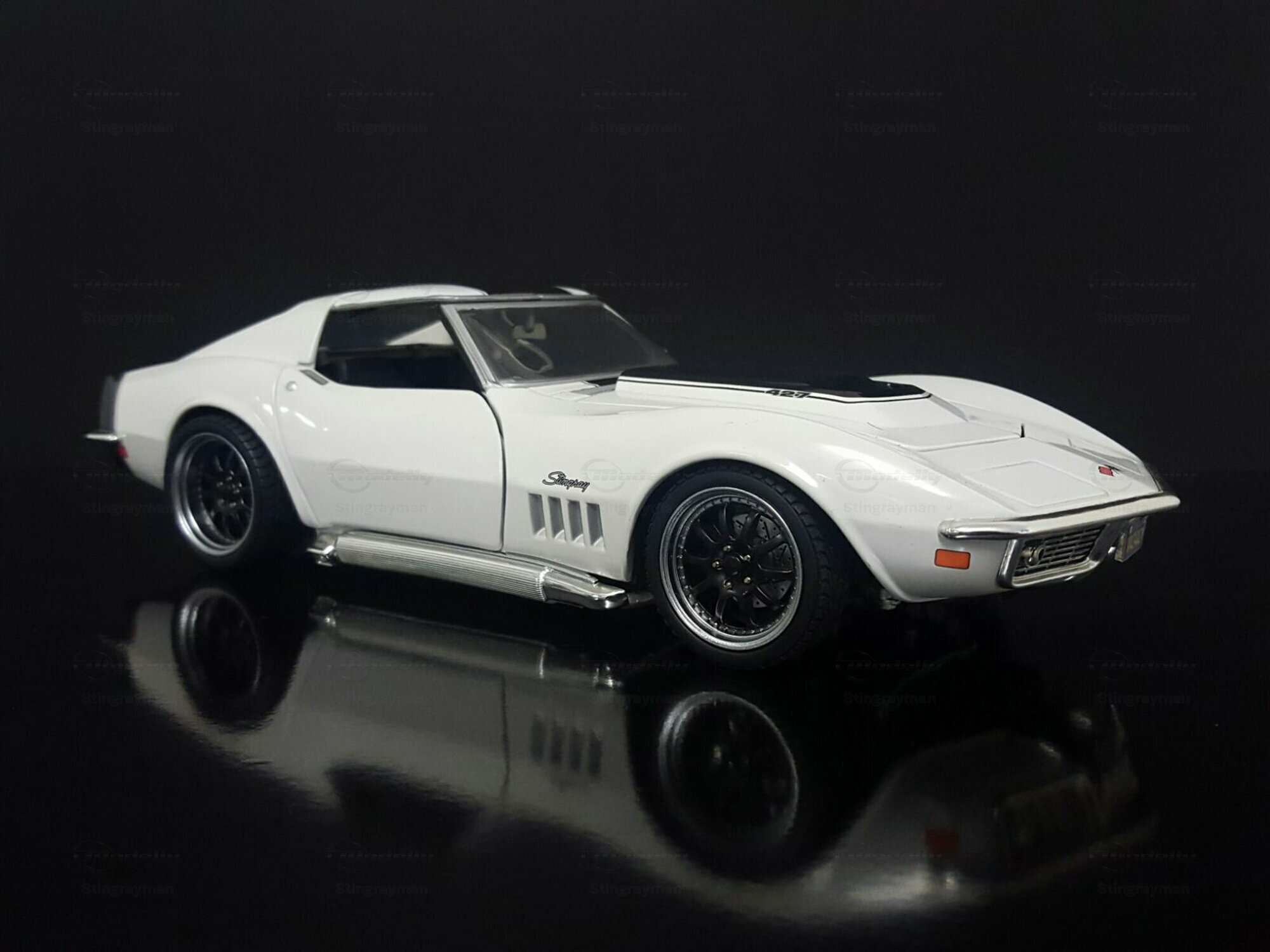
- Chevrolet Corvette ZL1 (from 1969)
Hot WheelsUmgebautes Modell- 1:18
- Showcase model / No engine
- diecast
- Weiss mit schwarzem Streifen
- In near mint condition
- Original packaging does not exist
- Not for sale
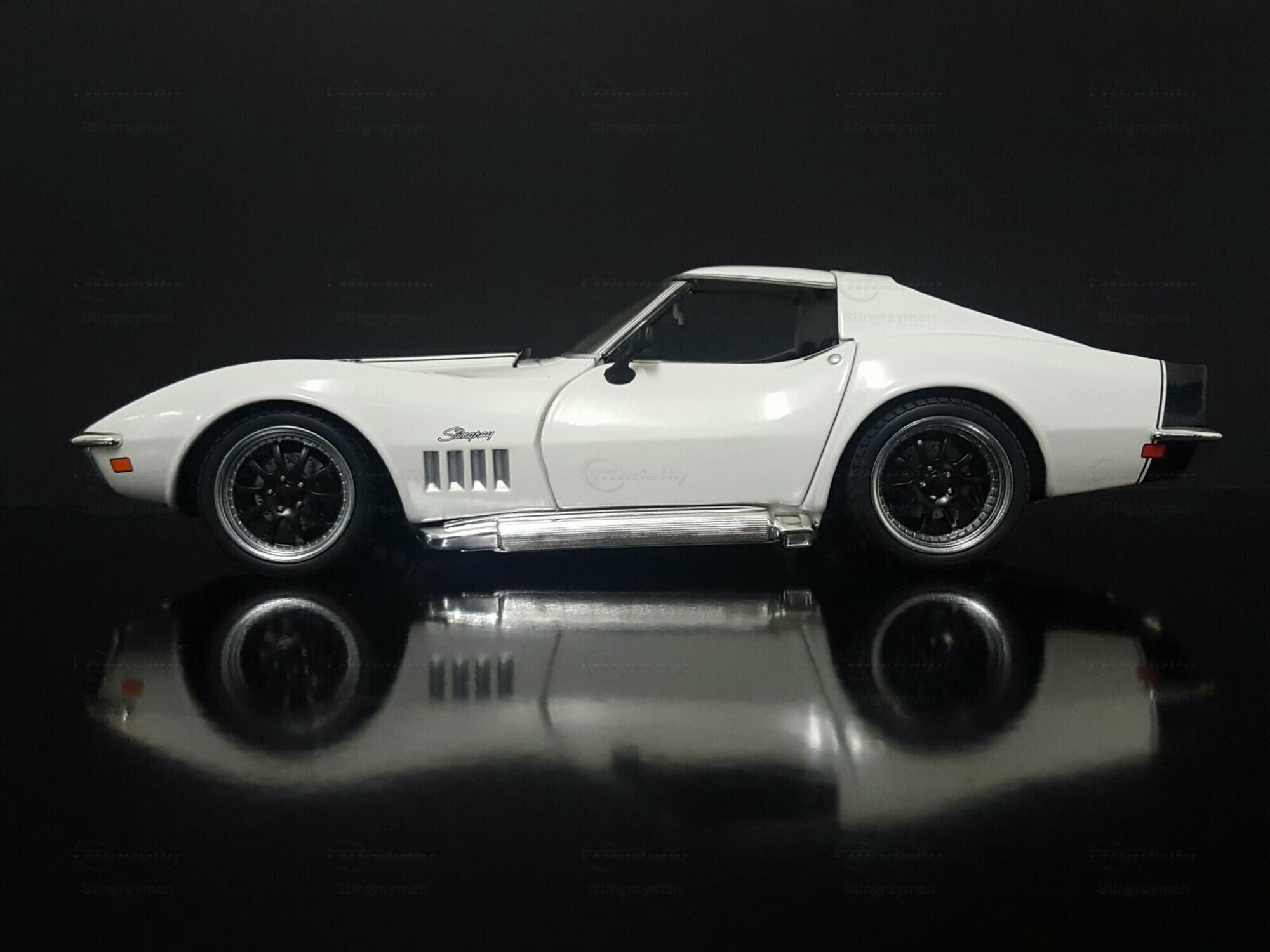
Original: The rare Chevrolet Corvette ZL1 of the C3 generation
This miniature is based on the original Chevrolet Corvette ZL1, a particularly rare high-performance version within the third generation of the Corvette. The C3 generation was built from 1968–1982 and followed the C2 (“Sting Ray”). The exterior styling was inspired by studies like the Mako Shark II; the GM designers behind it were Bill Mitchell and David Holls. Development and racing direction were heavily influenced by Zora Arkus‑Duntov. The Chevrolet Corvette ZL1 only appeared in the 1969 model year as the RPO ZL1. According to consistent sources, only two ZL1 cars left the factory — an extraordinary fact that makes the ZL1 one of the rarest US production cars today. Visually, the ZL1 stays close to the other 1969 Stingray models: long hood, sloping fastback rear, pop-up headlights and the side “shark” gill openings. In the model’s history it featured a ladder frame, independent suspension all around and disc brakes on all four wheels — traits that already defined the C2 and formed the uncompromising performance base of the Chevrolet Corvette ZL1.
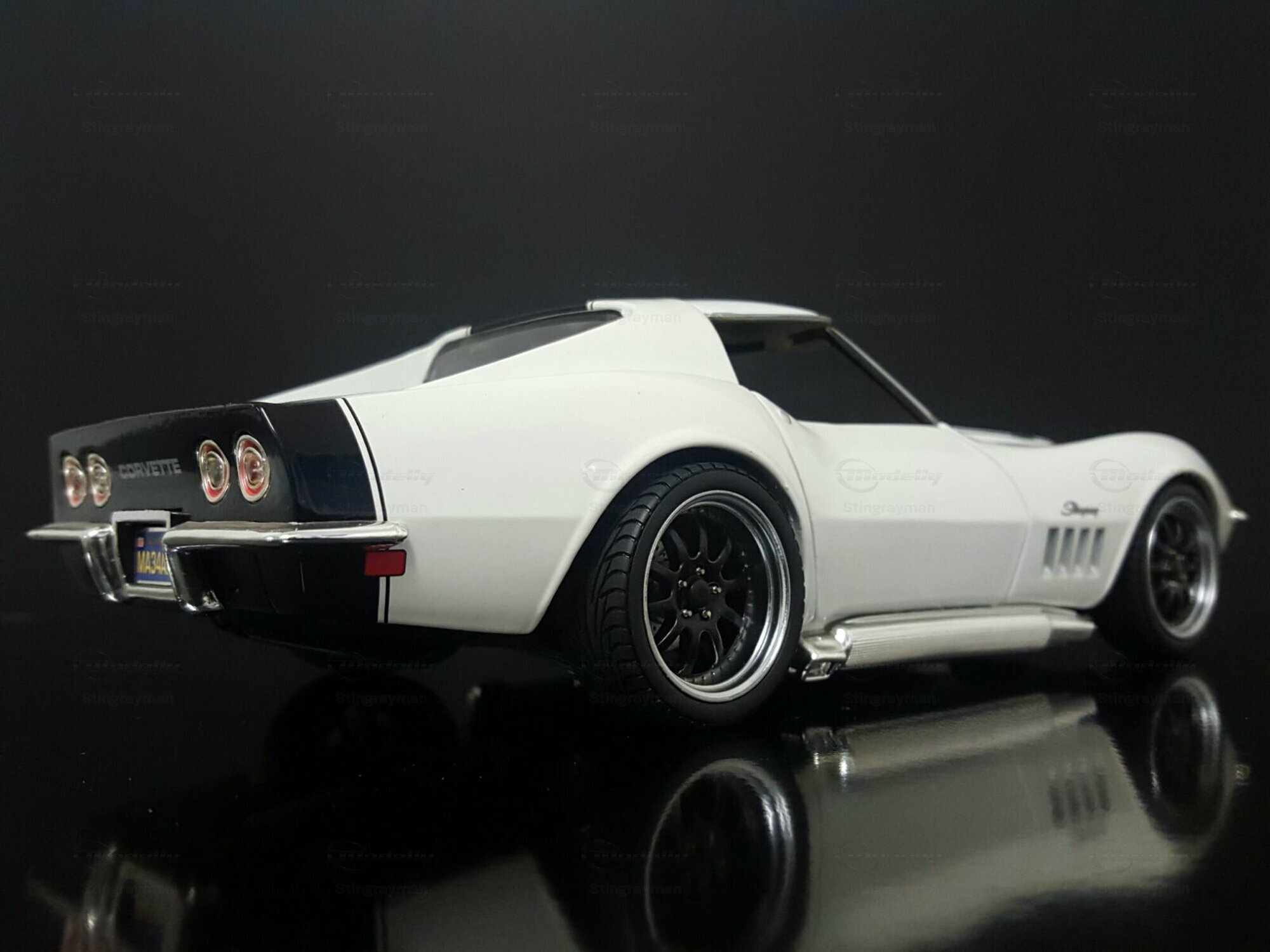
Tech and the 1969 context
At its heart the Chevrolet Corvette ZL1 had the ZL1 V8 with 7.0 liters (427 cubic inches), mechanically related to the L88. The special thing: an aluminum block with open cooling passages, aluminum cylinder heads and light internals, developed in cooperation with Reynolds Metals. The factory-rated power was officially 430 SAE hp, though real-world tests often found well over 500 SAE hp in untouched examples. The engine was built for high revs, large carburetor throats and high compression. Typical transmission choices were the Muncie 4-speed transmissions M21 or M22 (“Rock Crusher”), and the car used the standard rear axle with a transverse leaf spring. Performance figures varied by setup but were roughly 4–5 seconds to reach 100 km/h (62 mph). Ventilated disc brakes and precise rack-and-pinion steering helped with braking stability. The ZL1 was delivered without comfort options; radio and heater were omitted to save weight. 1969 was a big year culturally and technologically — Apollo 11’s Moon landing, Woodstock, and the first flight of the Boeing 747 — these just give a time frame for when the Chevrolet Corvette ZL1 was born. Within the lineup it was the performance peak yet stayed visually close to the Stingray production cars, recognizable by badges, the three vertical gill openings per side and the removable T-top roof panels.
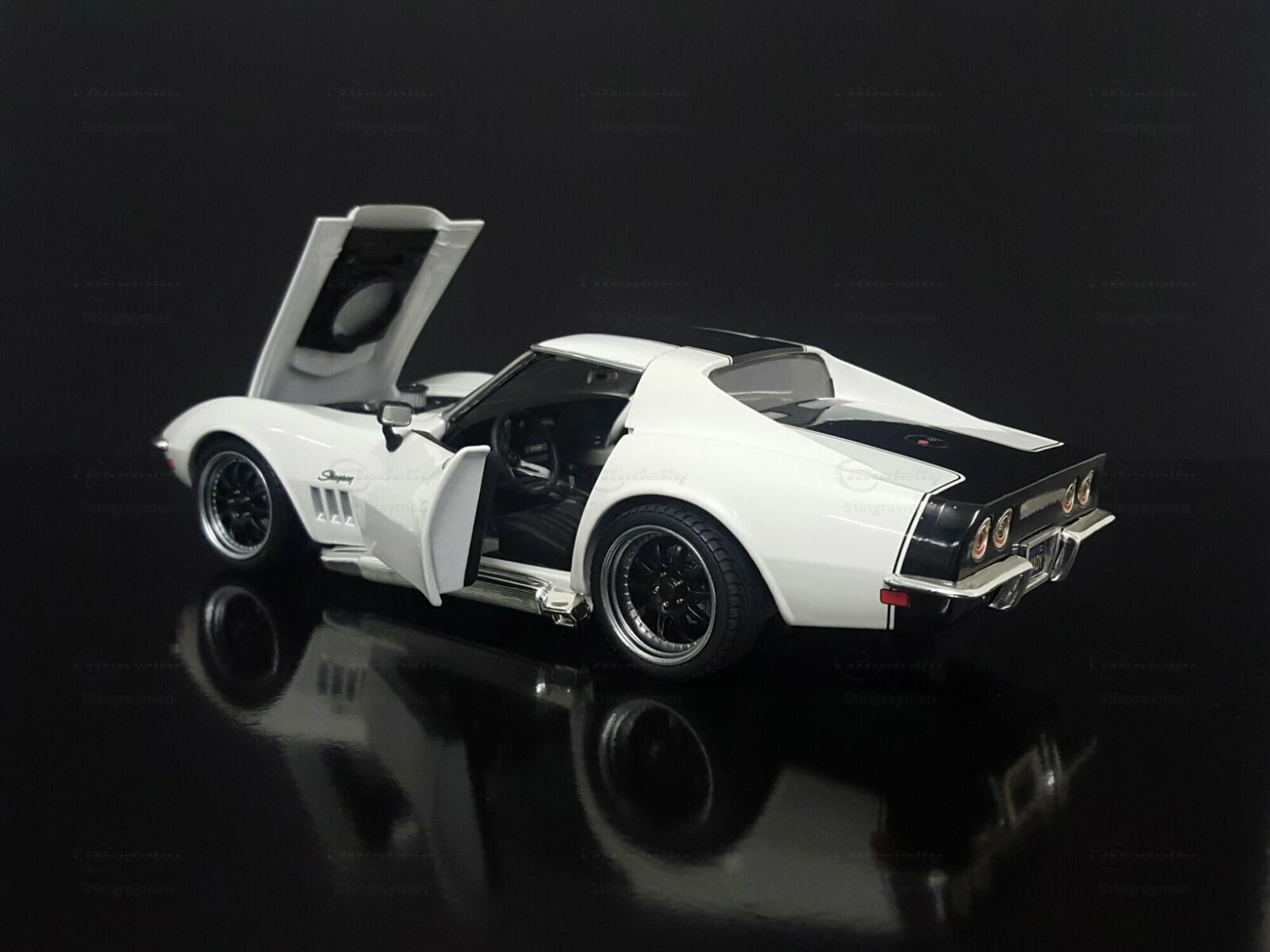
The model from collector “Stingrayman”: modified 1/18 diecast by Hot Wheels
Important note for collectors: the piece shown here is a modified one-off and is not the factory product from Hot Wheels. The base is a 1/18 diecast model. It’s in the collection of the Modelly member “Stingrayman.” From the photos you can see the white paint with a subtle black hood insert and a blacked-out rear section. The side pipes are silver and follow the lower sill line. The wheels have been swapped for black multi-spoke, multi-piece rims with a polished outer lip; the exact wheel maker can’t be identified from the pictures, but the wheels look larger than stock. That gives the car a tighter stance and lower ride height. The “Stingray” script sits correctly behind the front wheel arches, and the three gill openings are there. Up front the model has the narrow bumper horns; at the rear you can see the four round taillights and the molded bumper. The interior is all black, with the T‑top separator and a classic two-spoke steering wheel. The headlight covers are shown closed. The Hot Wheels 1/18 diecast gives a solid feel and crisp panel lines on the hood, doors and seams. Because of the owner’s changes — especially wheels and rear styling — the look differs from the stock release.
Details, paint and collector relevance
The paint appears as a solid white without metallic, complemented by a black hood insert marked “427” and a blacked rear area with thin trim lines along the side edges. The Corvette badge sits in relief at the front with the red flag; the fine “Stingray” script is on the side. The body proportions — long nose, pronounced fender bulges and the short, slightly upturned rear — are nicely captured and show the C3 design language realistically. From the side you can see the signature sidepipes above the sill line; they’re separate pieces on the model. For display collectors this piece is interesting because it mixes the elegance of the C3 lines with a subtle, contemporary custom touch. Again: this is a modified diecast model and not the factory stock release from Hot Wheels. The “Stingrayman” example carries the historical traits of the Chevrolet Corvette ZL1 — one of the most striking variants of the C3 era — while offering talking points about tech history between 1968–1982. For anyone searching “Corvette ZL1 model car 1/18”: it’s a Hot Wheels diecast that has been individually altered by its owner to create a personal take on the historic original.
Andy
Auto-translated
 Great model and very nice photos! 👍🏻😊
Andy
Auto-translated
 Great model and very nice photos! 👍🏻😊