
Porsche 924(diecast 1:18, KK Scale)
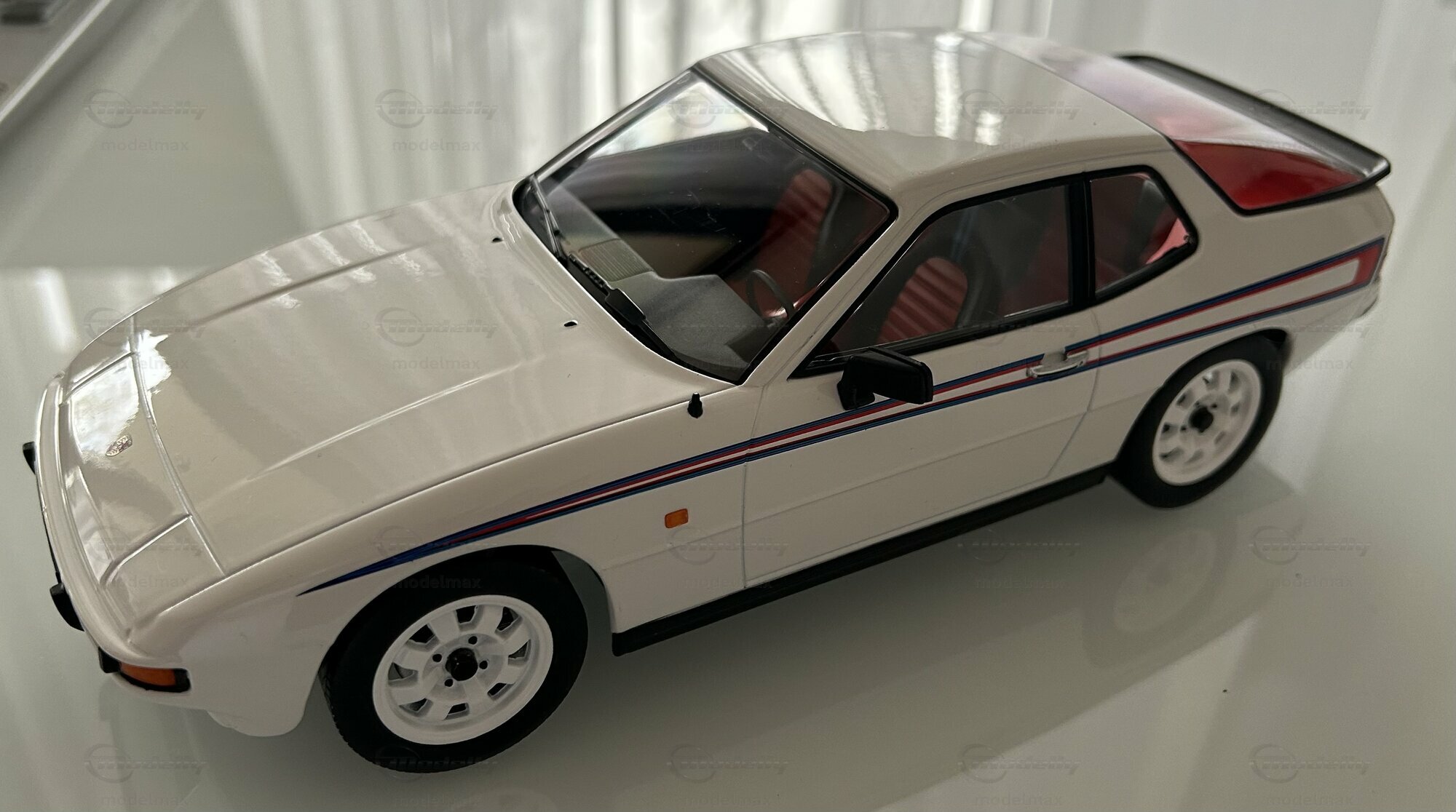
- Porsche 924 (from 1976)
- KK Scale
- 1:18
- Showcase model / No engine
- diecast
- white
- Perfect mint condition
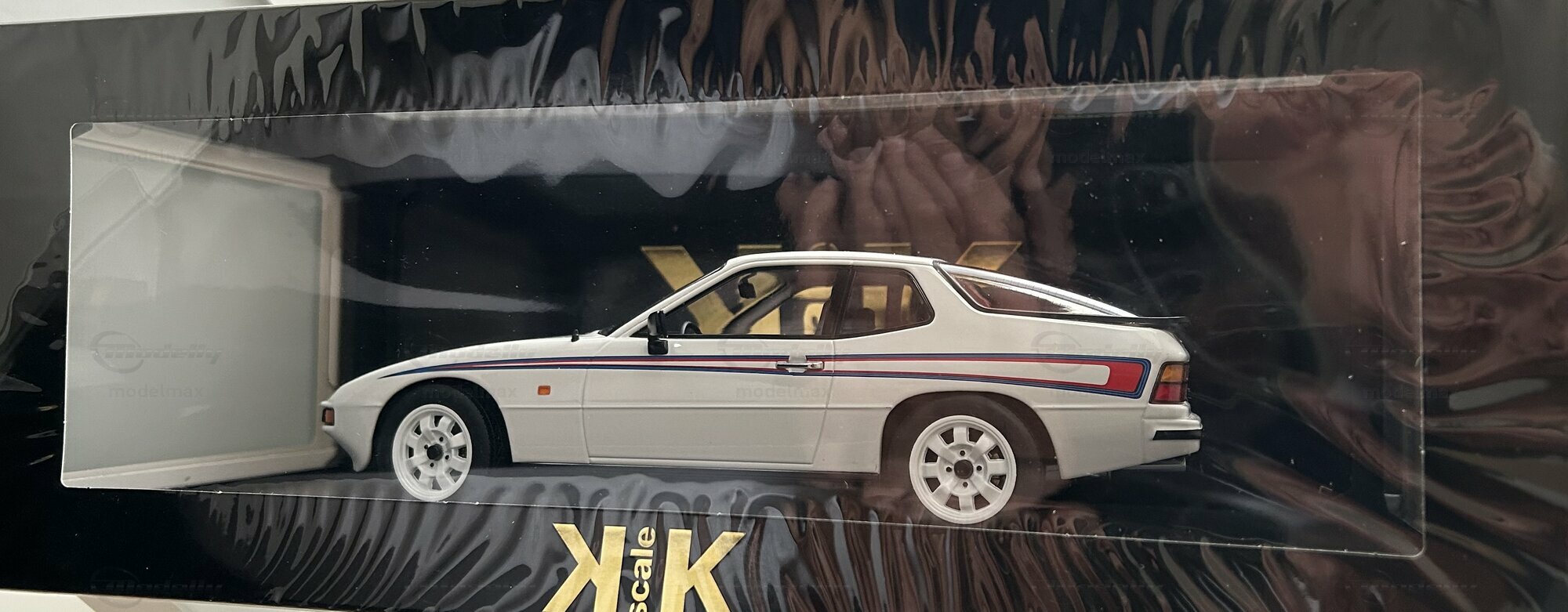
- Original packaging exists
- Not for sale
Historical context and place of the original
This miniature car is based on the Porsche 924, Porsche’s entry‑level sports car made to fill the slot under the 911. The Porsche 924 marks Porsche’s move to the transaxle concept: engine in the front, gearbox at the rear for better weight distribution. The model belongs to the 1. Generation, built from 1976–1988. It was originally developed as a joint project with Volkswagen (internal code EA425). After VW backed out, Porsche took over and released the Porsche 924 under its own name. The lines – the flat hood, pop‑up headlights and the large rear hatch – were shaped by chief designer Harm Lagaay. The project was pushed strategically by then‑board member Ernst Fuhrmann. As a predecessor in the entry segment you can think of the Porsche 914, which ended production in 1976. To place it in time: 1976 saw NASA’s Viking 1 on Mars, Apple Computer getting started, and the Concorde entering passenger service. Those are just era markers to help you understand when the Porsche 924 first came out.
Technical stuff, variants and the Martini special edition
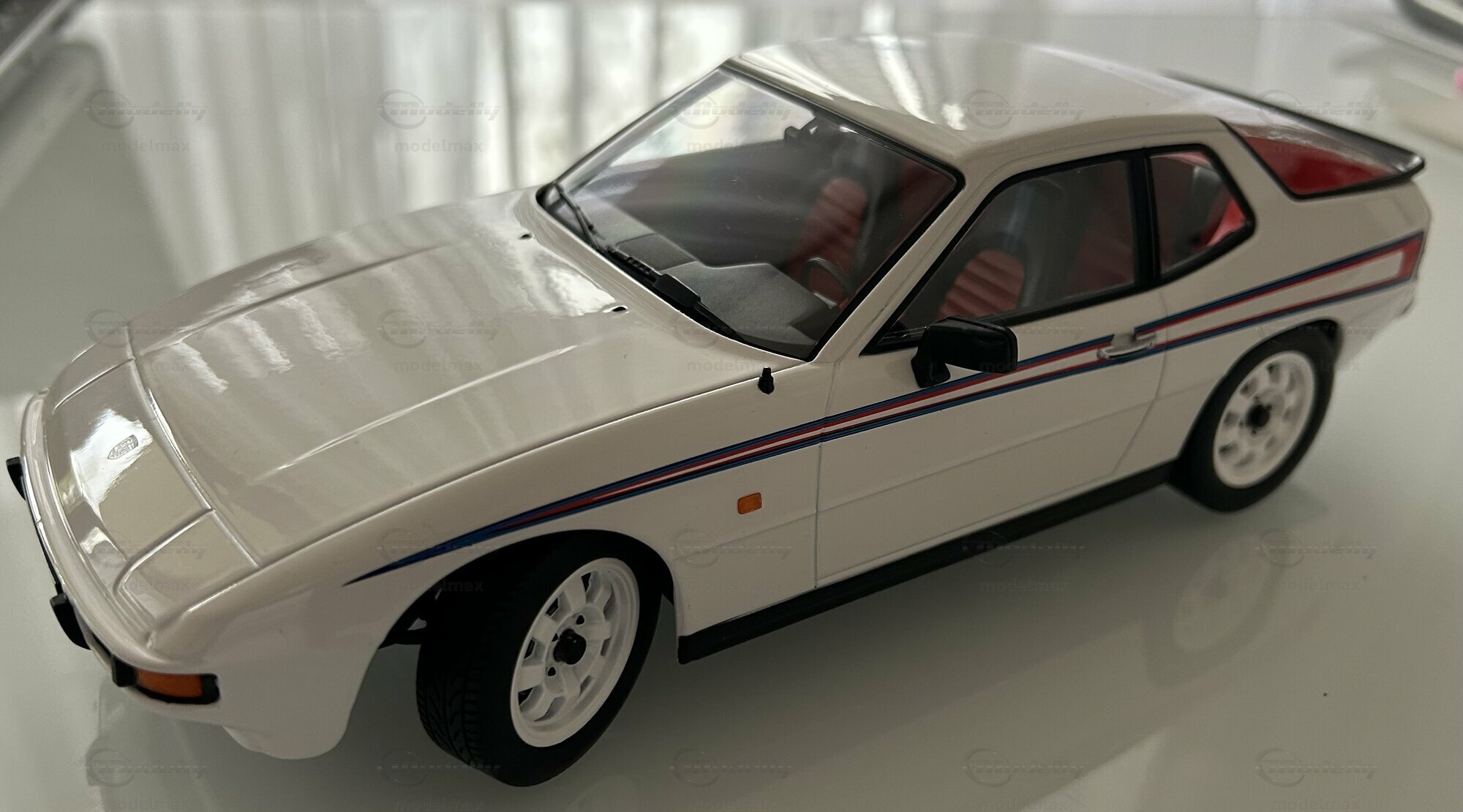
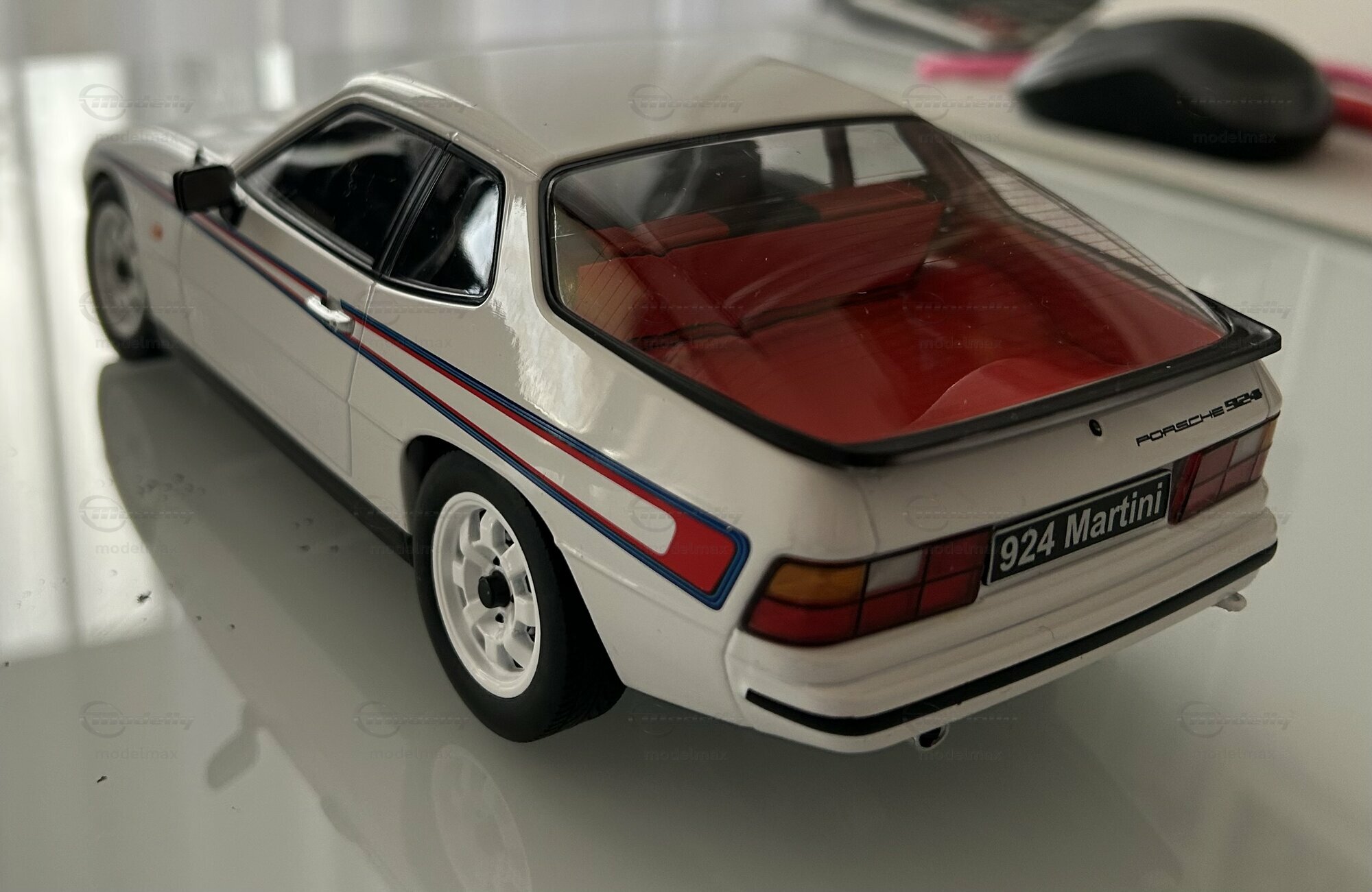
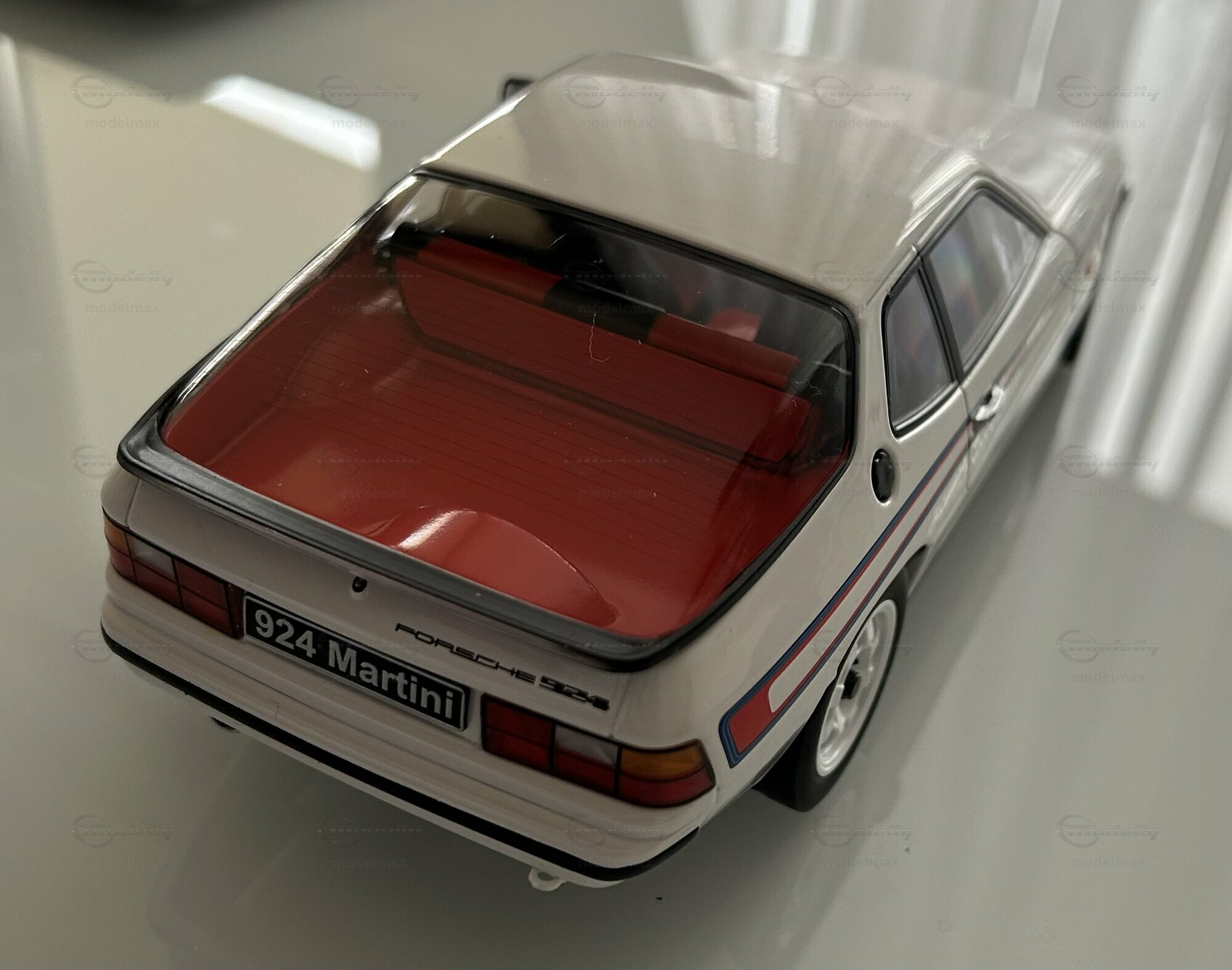
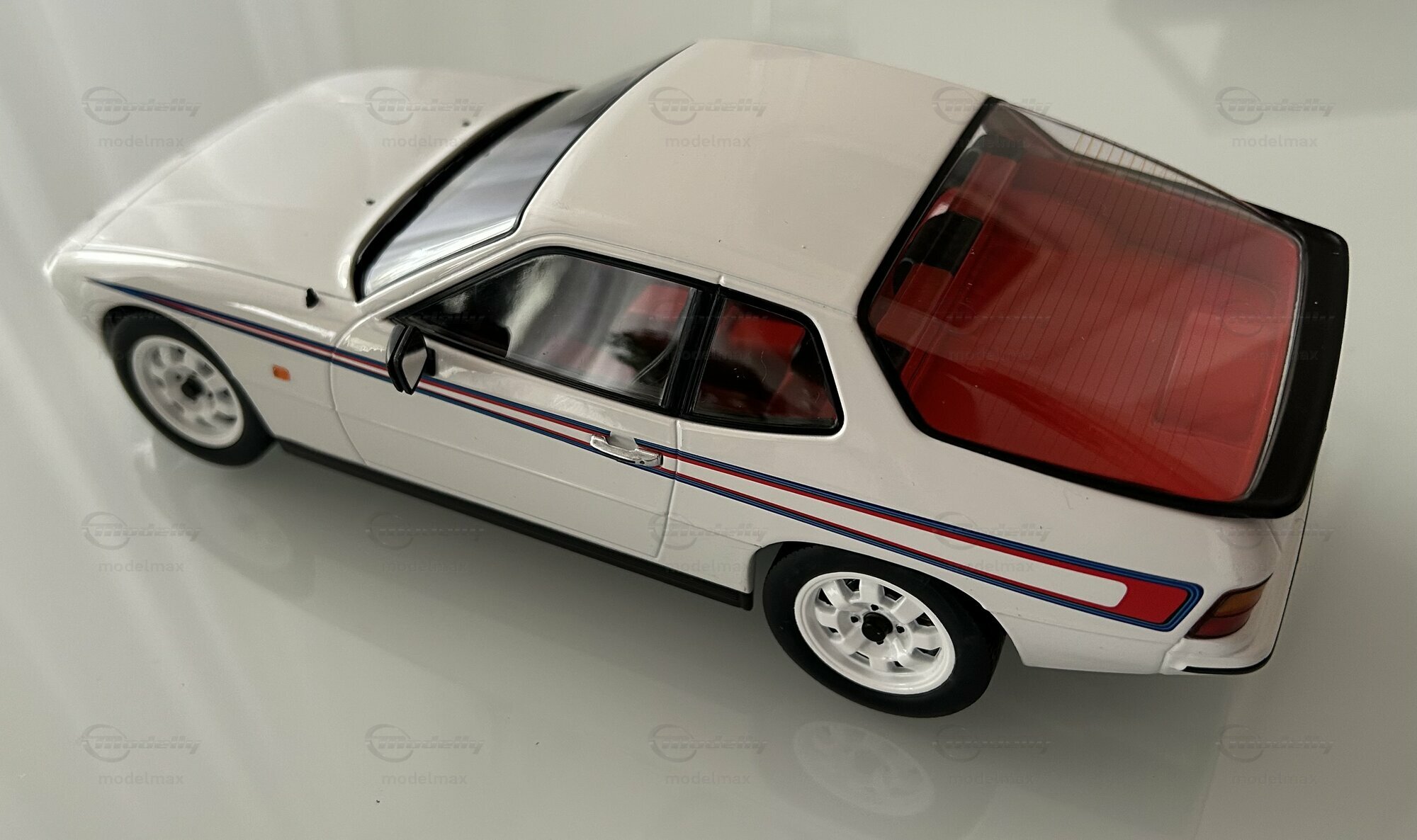
The Porsche 924 used a 2.0‑liter inline‑four borrowed from the Audi range (Bosch K‑Jetronic). In European specs the naturally aspirated engine made about 92 kW (125 PS / ~123 hp). It was mated first to a 4‑speed and later to a 5‑speed gearbox. The transaxle layout gave it a nearly balanced axle load and a precise driving feel. The drag coefficient was around 0.36, which was pretty good for the time. From 1978 came the 924 Turbo, and later the competition and homologation models like the Carrera GT/GTS. A well‑known variant is the “Martini Championship Edition” of the Porsche 924 from around 1977: white paint with Martini stripes in blue‑light blue‑red and a striking interior with red striped seat inserts. That edition was made to echo Martini Racing’s competition livery; sources say roughly 3,000 units were built. The paint scheme and striped seats you can see in the photos point straight to that look. The car also shows the flush bumpers, the large rear hatch with a spoiler lip and the narrow window frames – all typical Porsche 924 features.
The model in modelmax’s collection
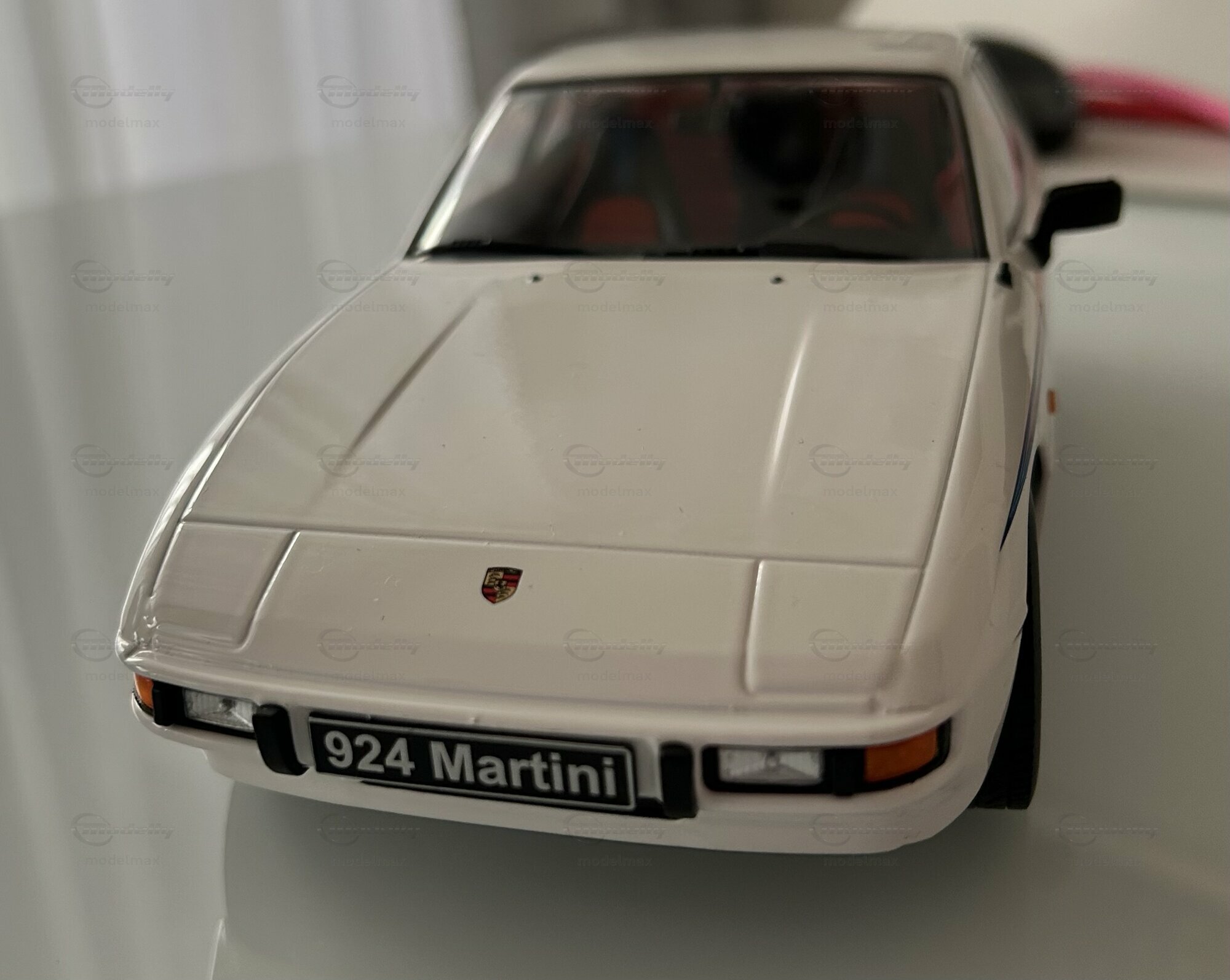
This is a diecast model in 1/18 scale by KK Scale, part of Modelly member “modelmax”’s collection. The miniature is made from diecast metal and follows the mostly closed construction that KK Scale usually uses. In the pictures you can see the correct coupe proportions: the long, low hood, the relatively short cabin and the distinctive rear with the big glass tailgate. The body wears Martini decals on both sides; the stripes run from the front along the flanks into a larger red field at the rear quarter. The paint is a clean white that matches the white multi‑hole wheels. The rims don’t show a maker’s stamp, but they look right for early 924 special editions. You can also spot fine mirrors, a neatly contoured windshield with a wiper arm, antenna stub on the right fender and side indicators. The red, horizontally striped seat inserts are visible through the glass and reinforce the special‑edition theme. The display box with a window shows the model lengthwise, the tires sit straight in the arches and the light lenses are clear and flush.
Collector‑relevant details, scale and build
For collectors it’s important that this is a 1/18 diecast model by KK Scale. That scale works great for a display case: the lines and decals read well without taking up tons of space. The diecast construction gives the model a nice weight; doors and hatches stay closed so the panel gaps look consistent. The decals are applied neatly along the body creases and finish at the rear with a black spoiler lip. The hood carries an embossed Porsche crest up front and the front indicators are color‑separated. The side view is defined by smooth surfaces and a low beltline — a hallmark of the Porsche 924 from day one. For cabinet display I’d go with a neutral, light background so the white paint and the thin three‑color stripes really pop. There’s no direct film reference for this particular piece; it simply represents the road‑legal special‑edition look. If you’re cataloguing Porsche’s transaxle era, this model complements the 924 Turbo, 944 and 968 and shows in compact form the design work of Harm Lagaay and the overall direction pushed under Ernst Fuhrmann.
- Write a first comment about this model now!Any comment can be discussed by all members. It's like a chat.Mention other Modelly members by using @ in your message. They will then be informed automatically.
- Write a first comment about this model now!Any comment can be discussed by all members. It's like a chat.Mention other Modelly members by using @ in your message. They will then be informed automatically.