
Ford Puma Cup(diecast 1:43, Minichamps)
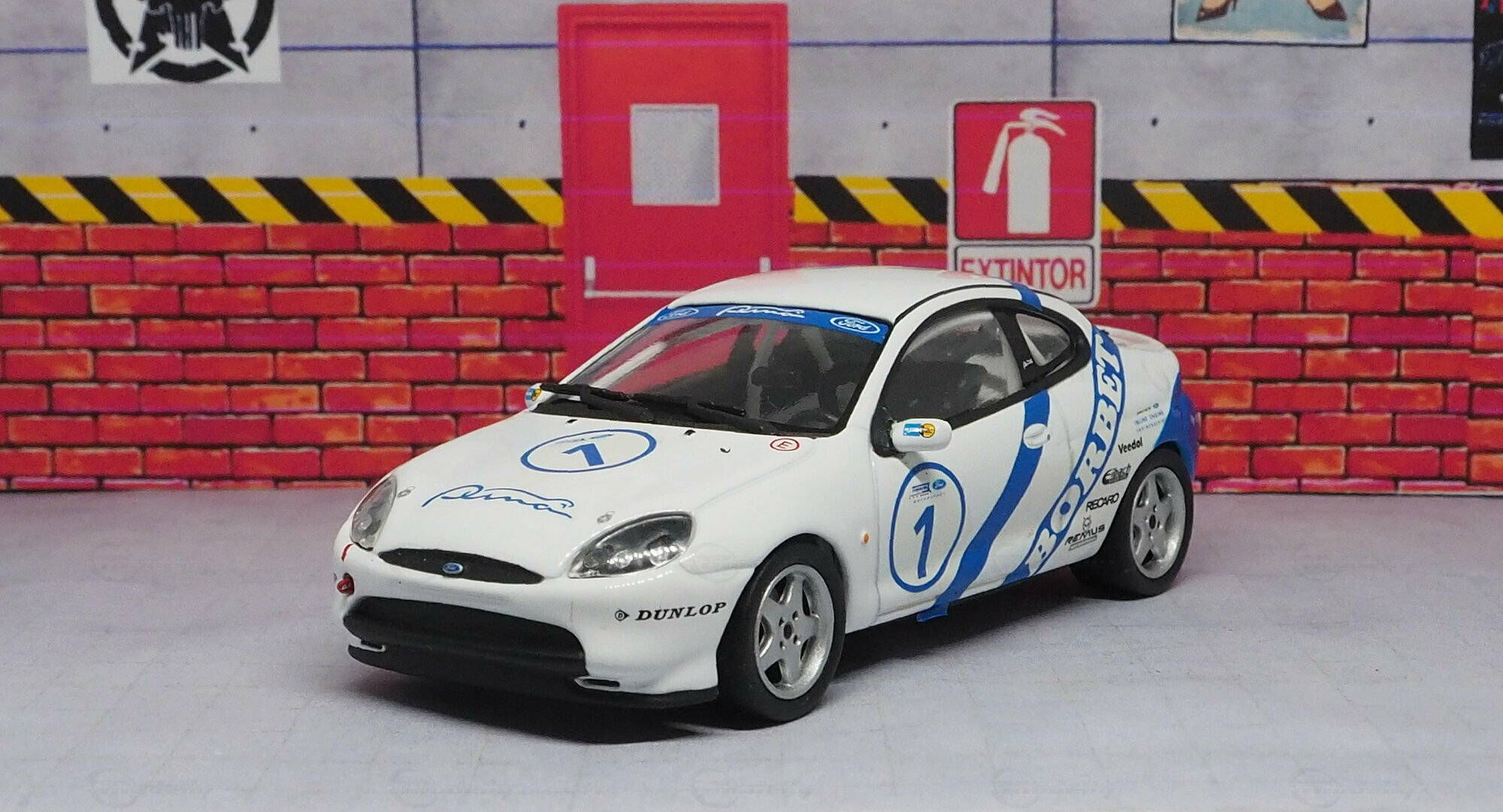
- Ford Puma Cup (from 1998)
- Minichamps
- 1:43
- Showcase model / No engine
- diecast
- white
- Perfect mint condition
- Original packaging exists
- Not for sale
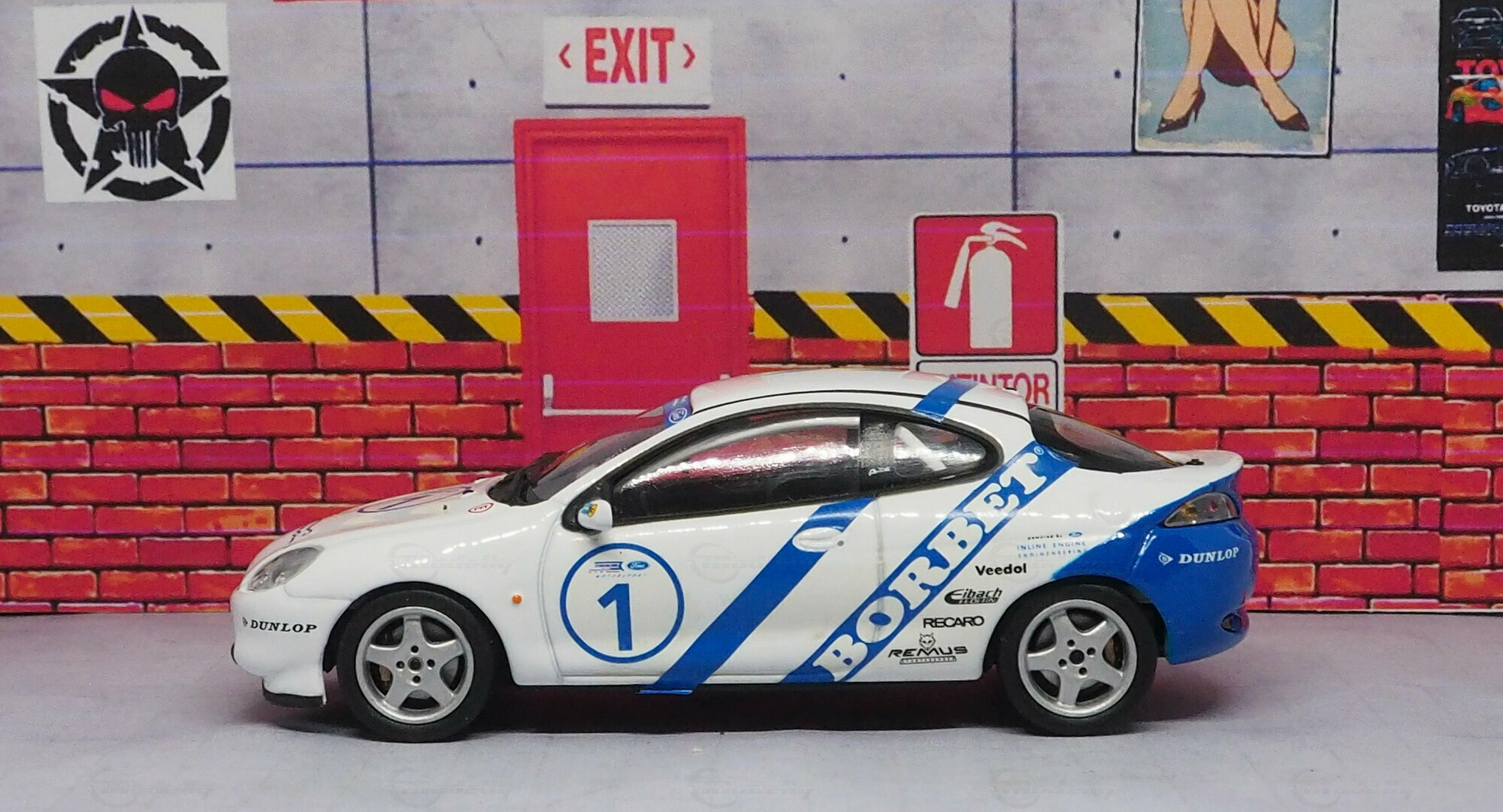
Ford Puma Cup by Minichamps in 1/43 scale
The car shown in the Modelly collection of member “Walter1” is a racing car based on the Ford Puma. The real car belongs to the first generation (EC), which was built from 1997–2002. This compact three-door coupe was based on the technical platform of the fourth-generation Ford Fiesta, but it was positioned as a model of its own. There wasn’t a direct predecessor to this small Ford coupe; in the brand’s history, the Ford Capri is sometimes mentioned as an earlier sporty coupe, but there was no direct model-line connection between the two. The Ford Puma followed Ford’s then-current “New Edge” design language, and the exterior designer credited with it is Steve Mattin. Its defining features are the sharply rising headlights, short wheelbase, curved roofline, and steeply sloping rear end.
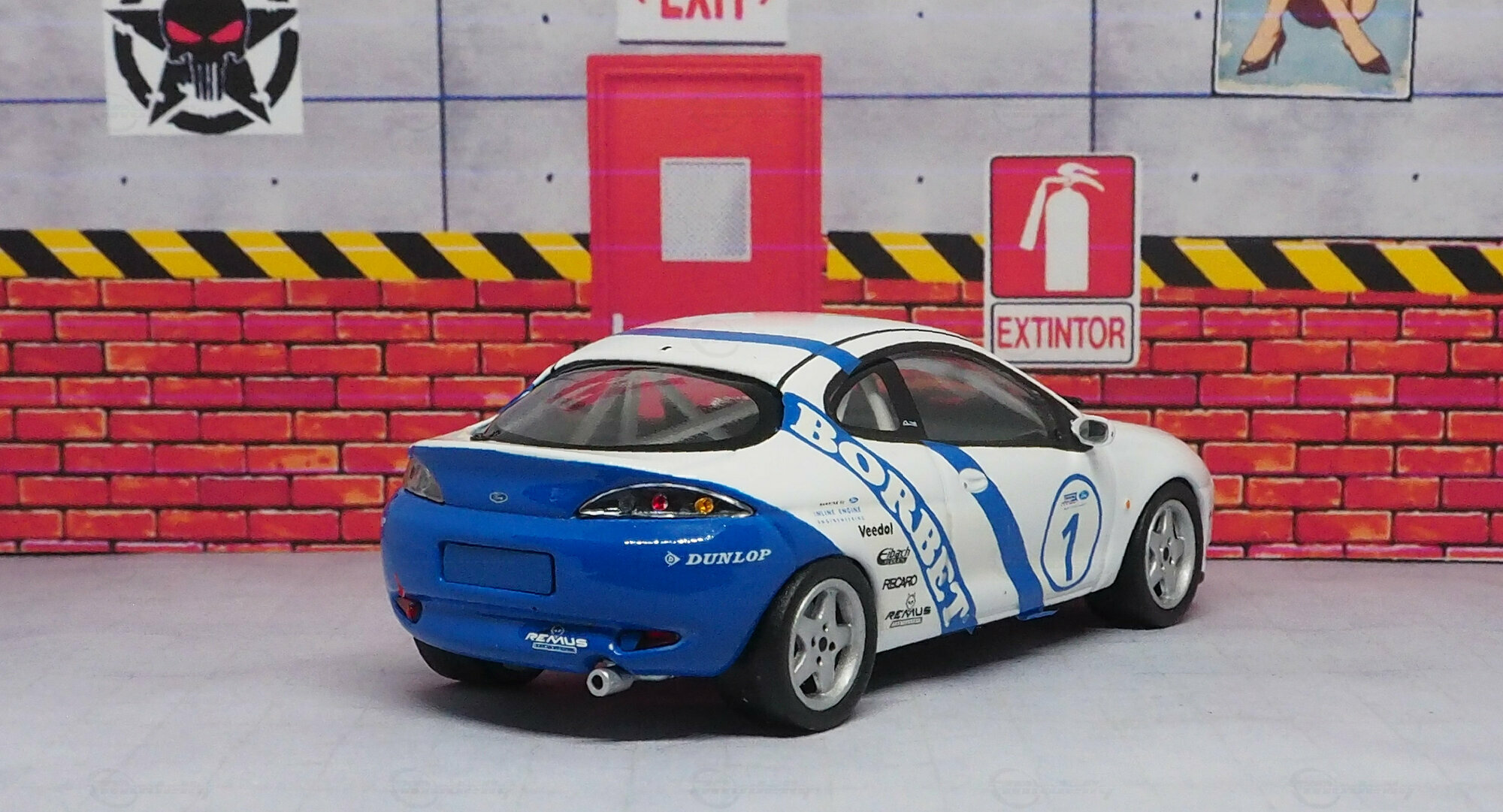
Technical setup and basis of the Ford Puma race car
The standard Ford Puma was offered with 1.4- and 1.7-liter Zetec-SE four-cylinder engines, among others. The 1.7-liter engine became especially well known, and it was developed together with Yamaha. It produced 92 kW (125 hp) and delivered a peak torque of 157 Nm (116 lb-ft). Paired with a five-speed manual gearbox, front-wheel drive, and a curb weight of just over 1 metric ton (2,204.6 pounds), it could hit a top speed of around 203 km/h (126 mph) and do 0–100 km/h (0–62 mph) in about 8.8 seconds. The Cup race cars used the near-stock basic structure, but depending on the series they got safety cages, racing seats, fire suppression systems, race suspension, roll cages, and other mandatory motorsport gear. That setup made the Ford Puma a good fit for one-make racing series, where uniform or tightly regulated cars made the driver’s skill stand out more clearly.
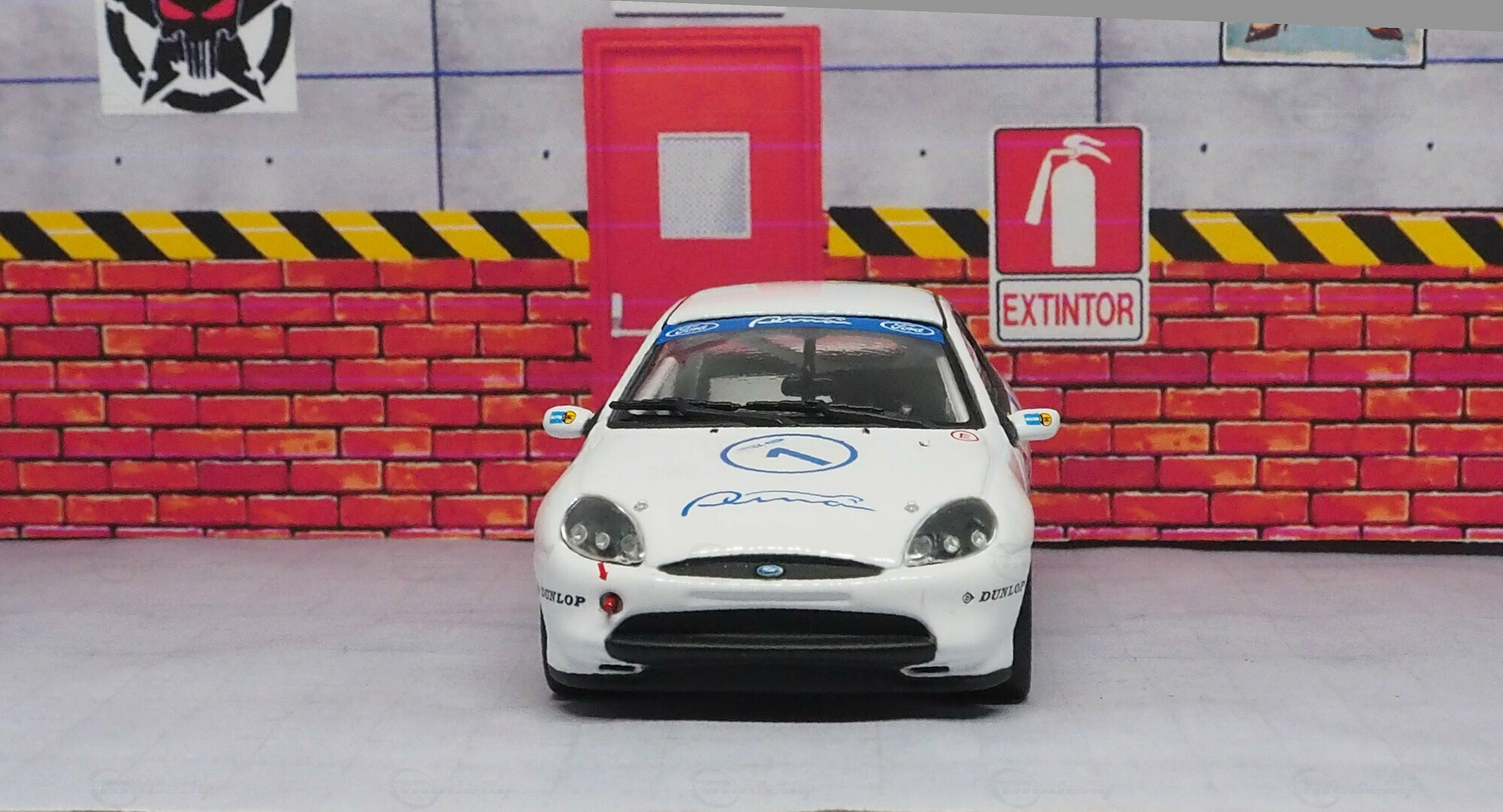
Ford Puma Cup and one-make racing appearances
The Ford Puma was used in national one-make racing series in the late 1990s and early 2000s. The Ford Puma Cup gave young drivers, privateer teams, and experienced touring-car racers a platform with a fairly simple technical rulebook. The races often ran as support events alongside bigger motorsport weekends. Because the cars were mostly the same, setup, tire management, starts, and close racing were what really mattered. The Cup cars didn’t have the power of super touring cars or GT racers, but on twisty tracks they could still be driven quickly thanks to their low weight and compact size. The Ford Puma showed how a production-based coupe could be turned into a more affordable circuit racing car.
Drivers and motorsport background of the Puma
Several drivers from the Ford one-make racing scene later moved on to other national racing series. One name linked to the British Ford Puma Cup is Tom Chilton, who later became especially well known in touring car racing. Dan Eaves also drove in Ford one-make and touring-car programs. Beyond the Cup races, the Ford Puma also mattered in rallying: Ford used Puma-based cars in rally programs, including kit-car and Super 1600 concepts. Drivers such as François Delecour, Markko Märtin, and Dani Solà competed in various Ford rally programs of that era. The circuit Cup cars and the rally cars were technically different machines, but both used the shape and model name of the compact Ford coupe.
Minichamps 1/43 model car with Borbet livery
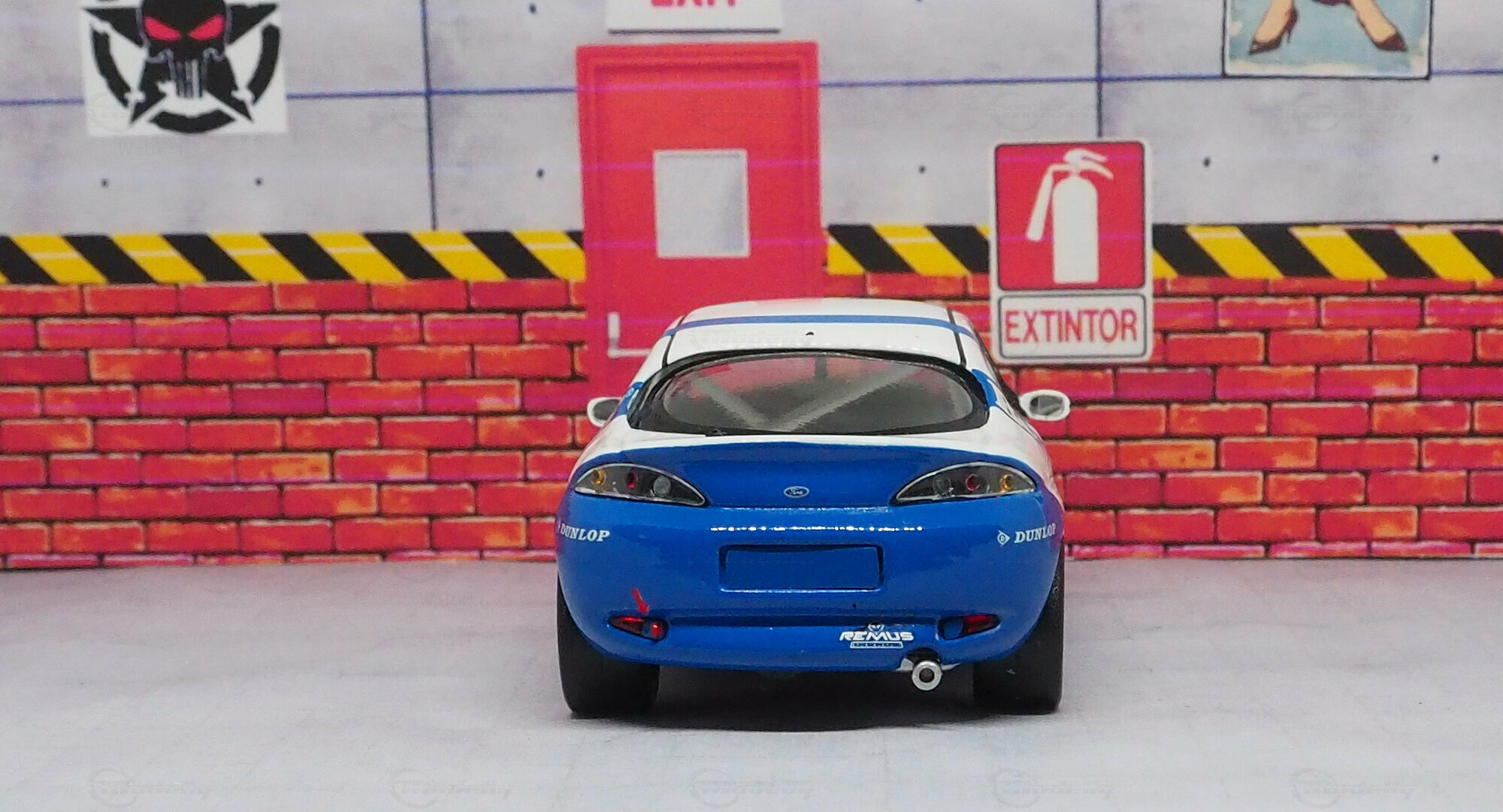
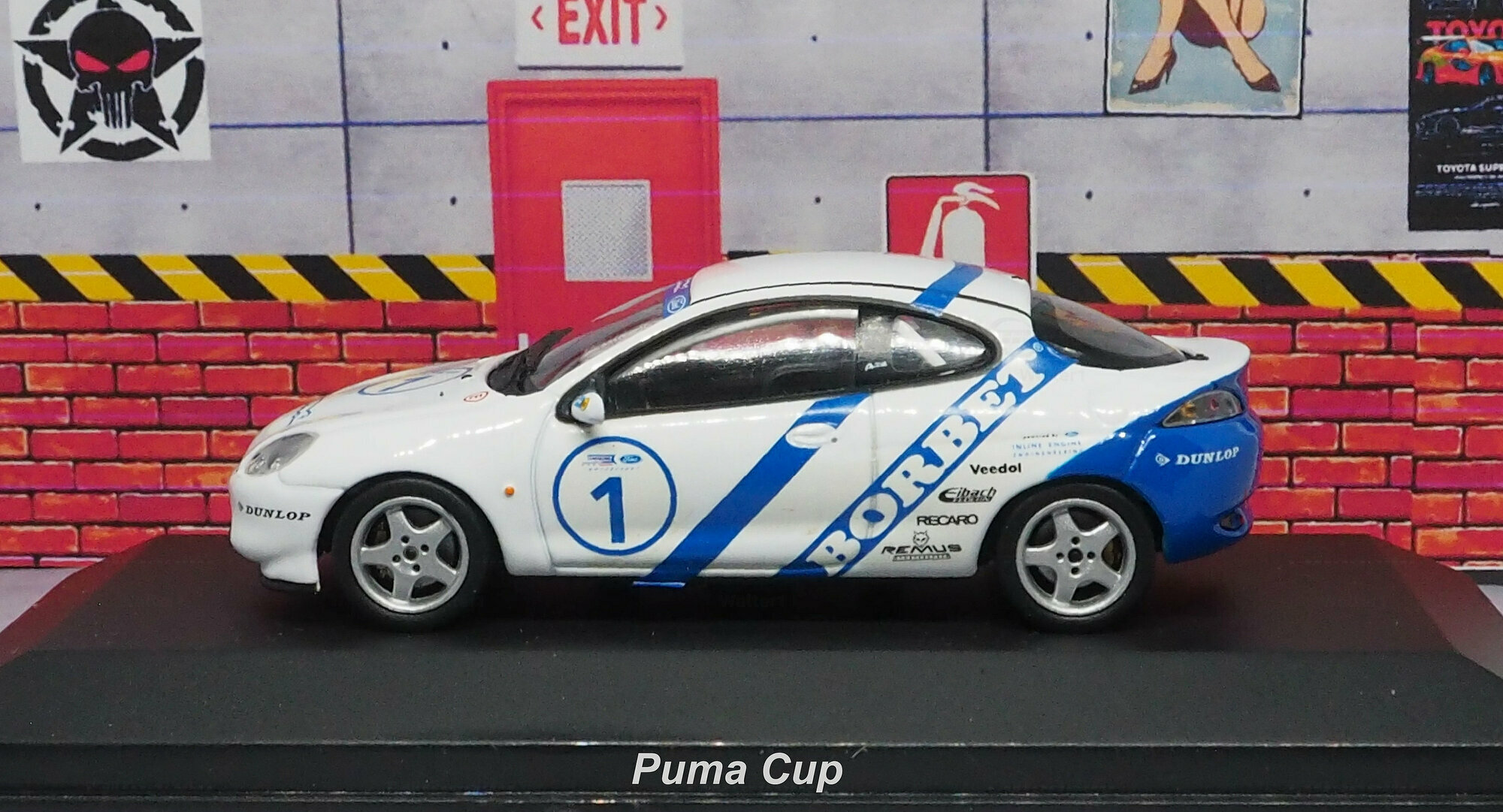
This collectible is a model car in 1/43 scale, made by Minichamps. The diecast model shows a white Cup Ford Puma with starting number 1. What really stands out is the blue-and-white racing livery: a wide blue stripe runs from the front edge of the roof over the side and into the rear body section. The word Borbet appears in large white letters on a blue background on the doors; the hood and both doors carry blue numbers inside white circles. The photos also show decals for Dunlop, Veedol, Eibach, Recaro, and Remus. You can see silver five-spoke wheels, black tires, clear light inserts, side mirrors with small decals, and a modeled exhaust tip. At the front, the air intakes, headlight outlines, and low front bumper are easy to spot; at the rear, the blue bumper area and the side lettering create a clean, well-defined finish. As a model car in 1/43 scale by Minichamps, it nicely captures the proportions, race graphics, and key body details of the Cup car.
- Write a first comment about this model now!Any comment can be discussed by all members. It's like a chat.Mention other Modelly members by using @ in your message. They will then be informed automatically.
- Write a first comment about this model now!Any comment can be discussed by all members. It's like a chat.Mention other Modelly members by using @ in your message. They will then be informed automatically.